Protocol Categories
KART Pedicure — thick calluses
The treatment protocol for thick hyperkeratosis: calloused heels, overloaded forefoot, and long-standing calluses. It combines three products applied in successive layers — an enzymatic peel, Unique Remover and a keratolytic — to soften the callus deep down before removing it using a foam spatula, which is blade-free and dust-free.
The principle: wherever the enzymatic peel is applied, the skin is protected. The keratolytic acts only on the areas where it has been applied, and the enzyme acts as a protective barrier all around it.
This protocol stops where the medical condition begins. Diabetes, circulatory disorders, neuropathy, damaged skin, calluses with a core, blisters or vesicles: treatment falls within the remit of a podiatrist.
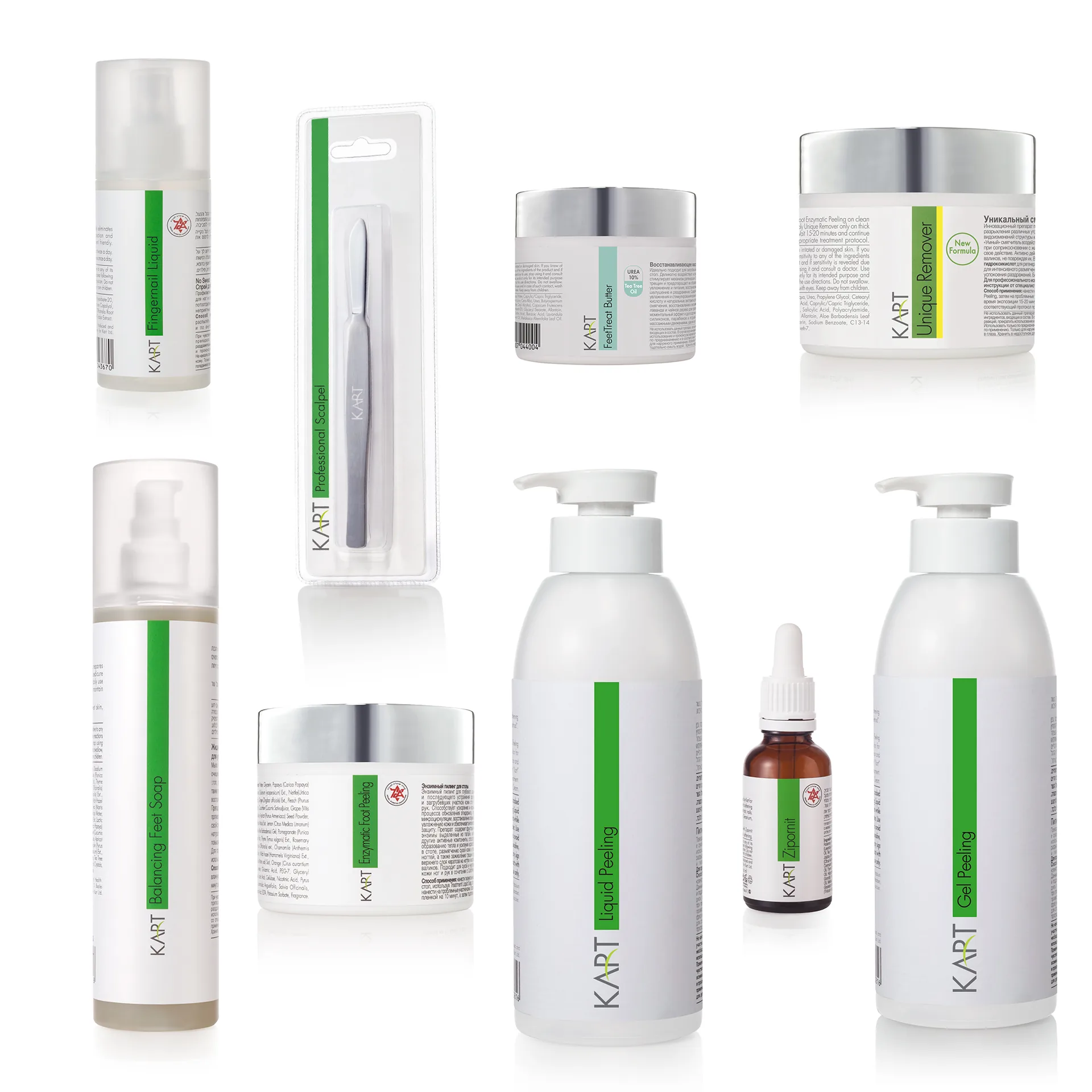
Pedicure Starter Kit – KART 7075
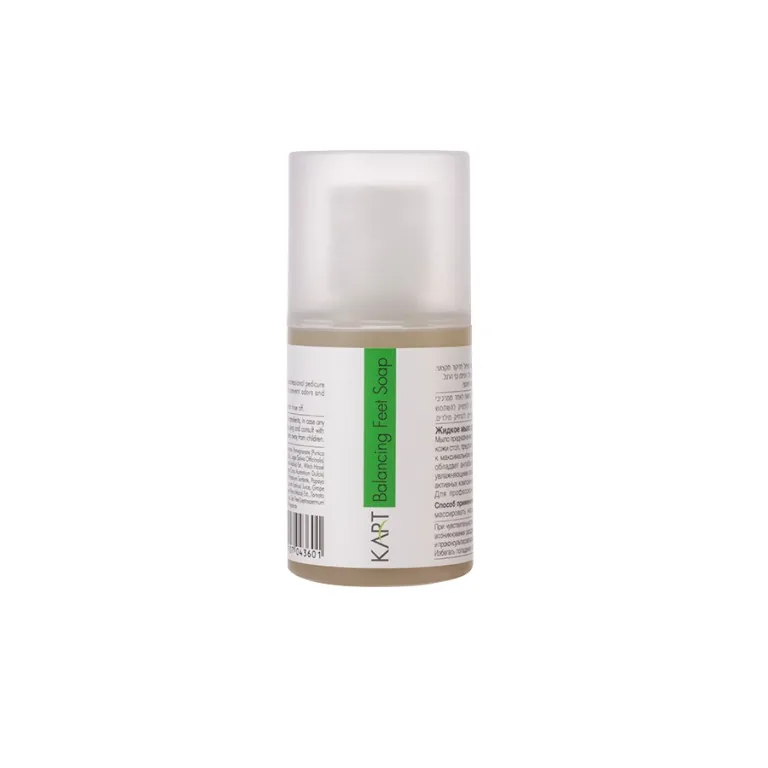
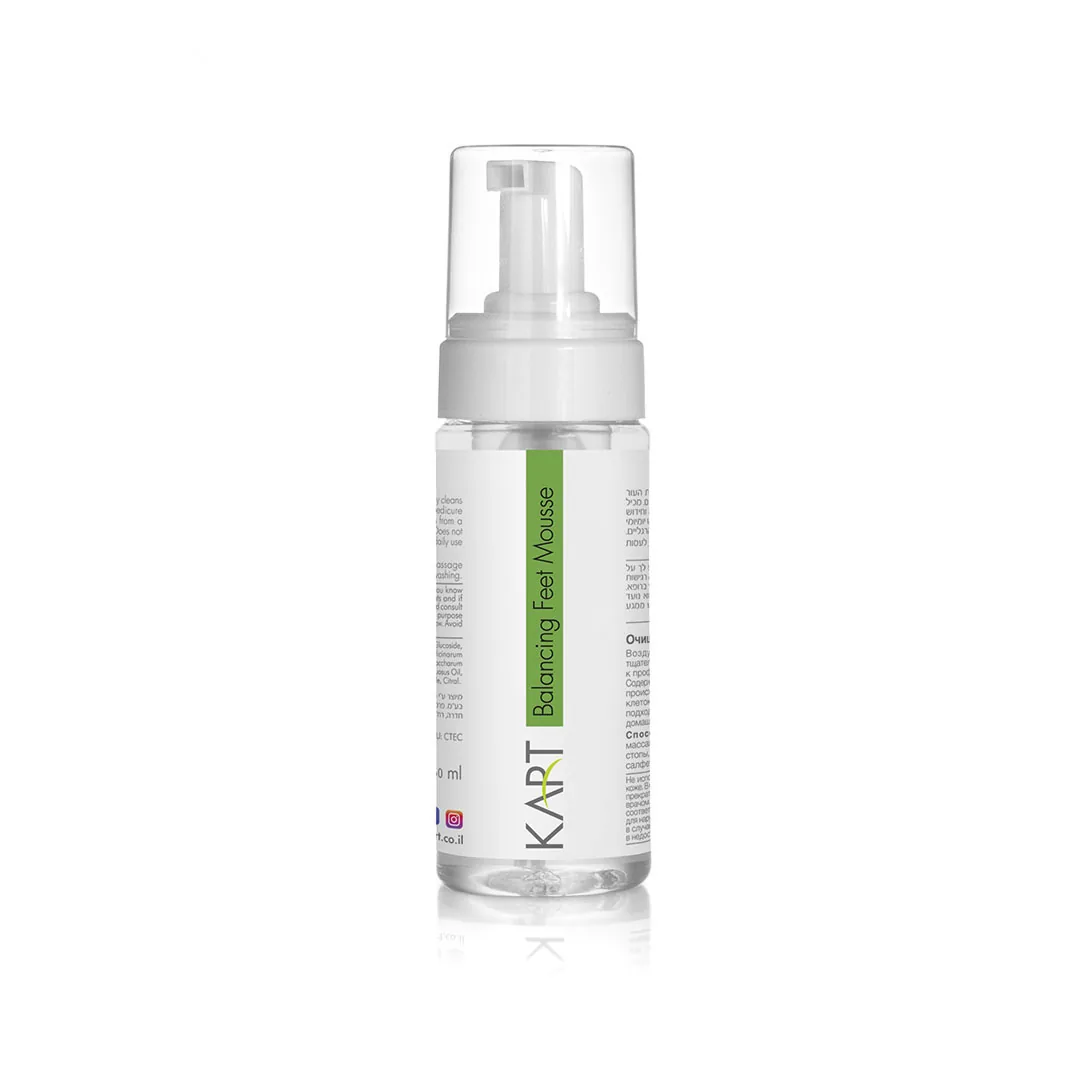
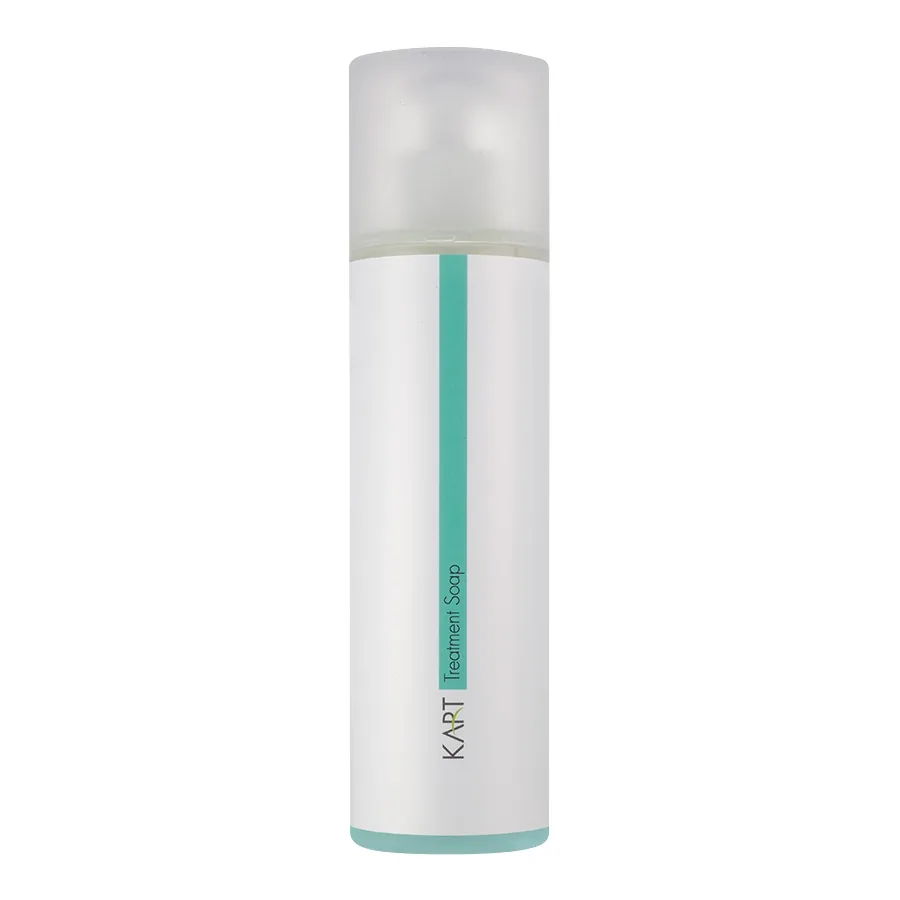
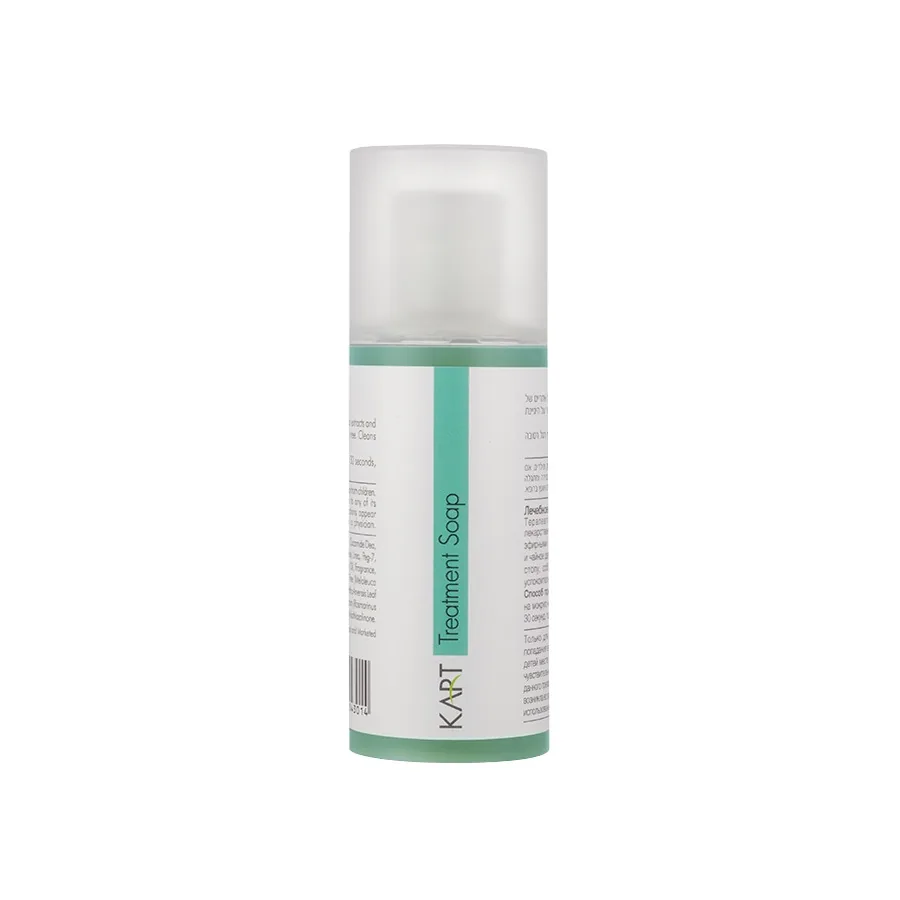
Apply soap or foam to damp feet and massage for one to two minutes, paying particular attention to calloused areas. Do not rinse: pat dry with a cotton pad and leave to dry for one minute.
Areas affected by keratosis require more vigorous washing — this is where the top layer of dead skin cells is removed.
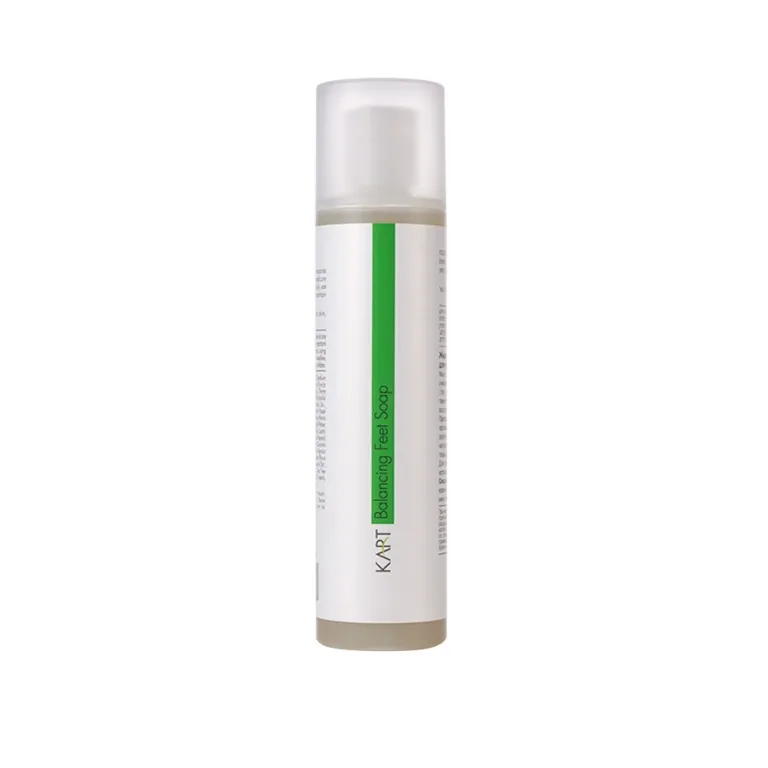
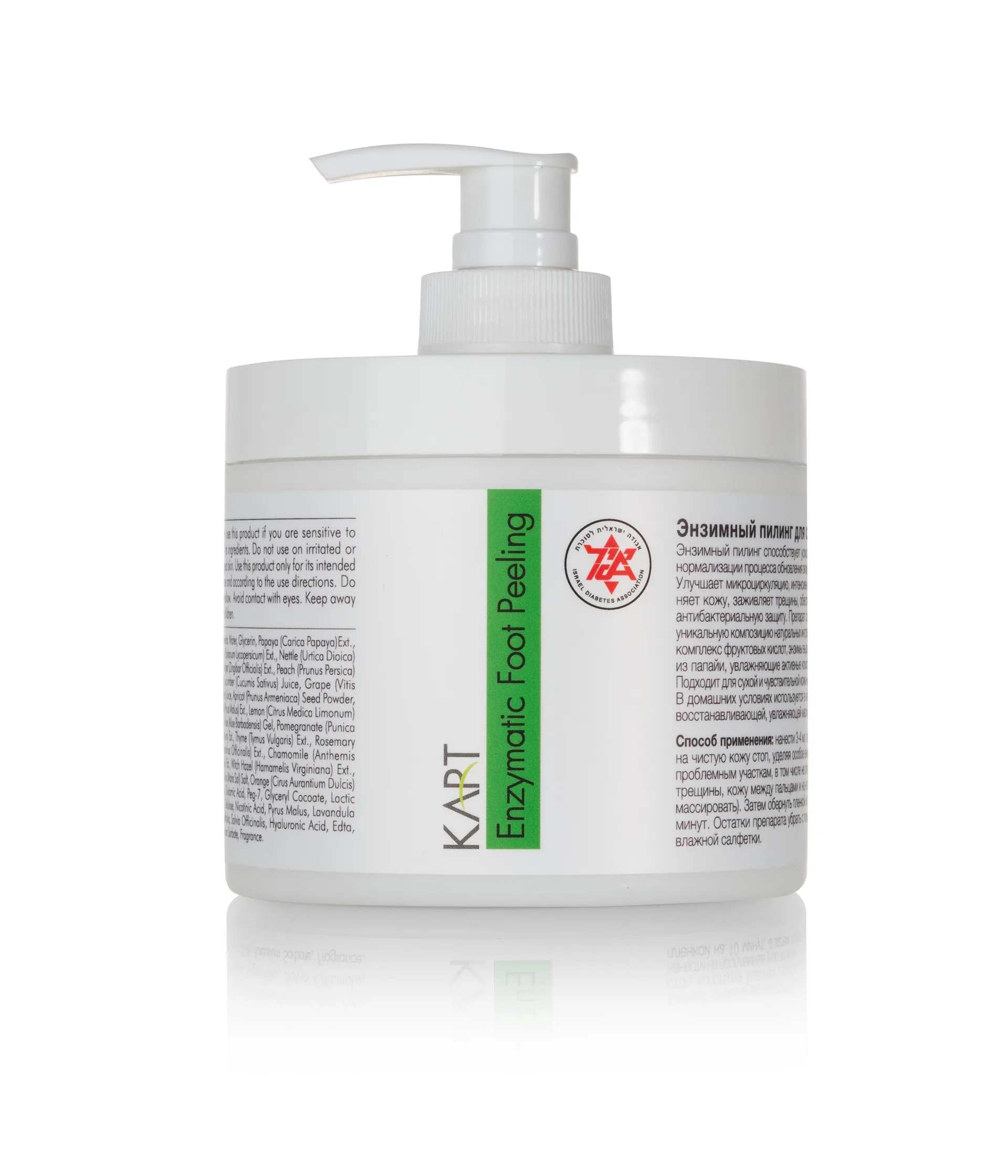
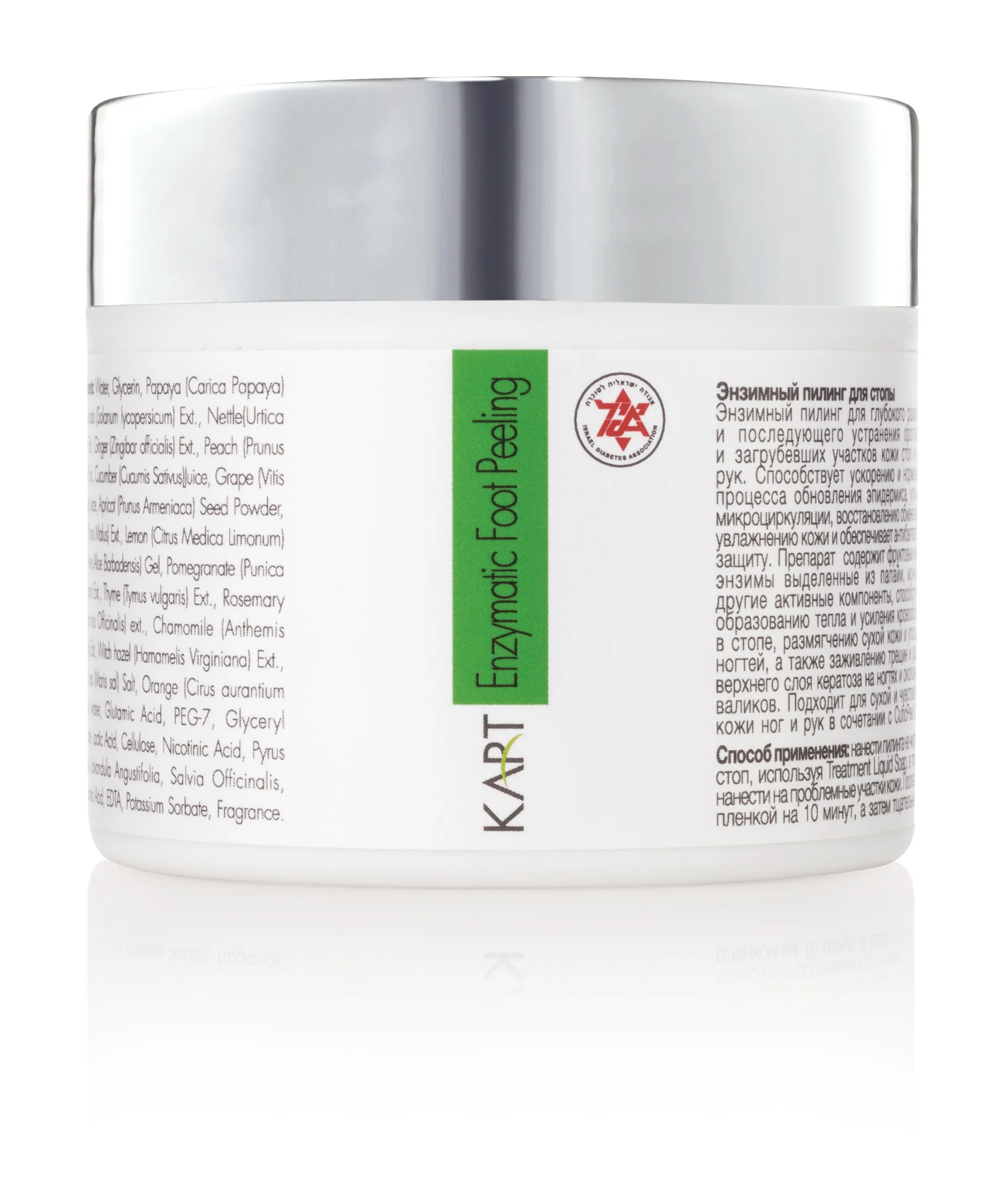
Apply evenly over the entire foot in a thin layer, without rubbing it in. Reapply to calloused areas, which absorb more.
Apply generously: including the edge of the heel and the top of the foot. Where the peel is applied, the skin is protected — this will partially neutralise the keratolytic applied afterwards.
Using a clean spatula, take some of the product and apply it to areas of thick keratosis, over the top of the enzymatic peel, in a 1:1 ratio with the amount already applied. Mix the two products into the skin using circular movements.
Do not reapply the enzymatic peel: l’Unique Remover is applied on top of it. Urea and hydroxy acid complex, pH 9.5 to 9.7. Do not massage beyond the treated areas; do not rinse.
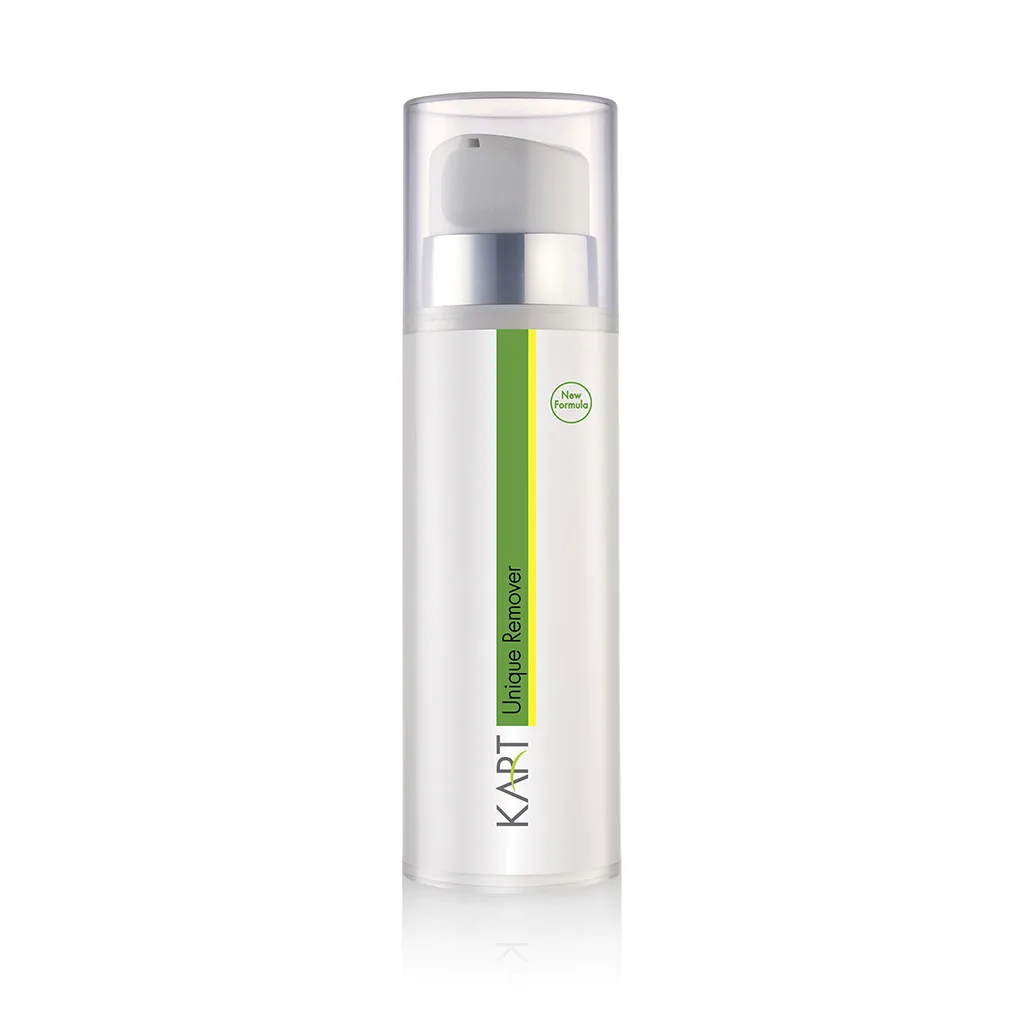
Unique Remover 250 ml – KART 7039
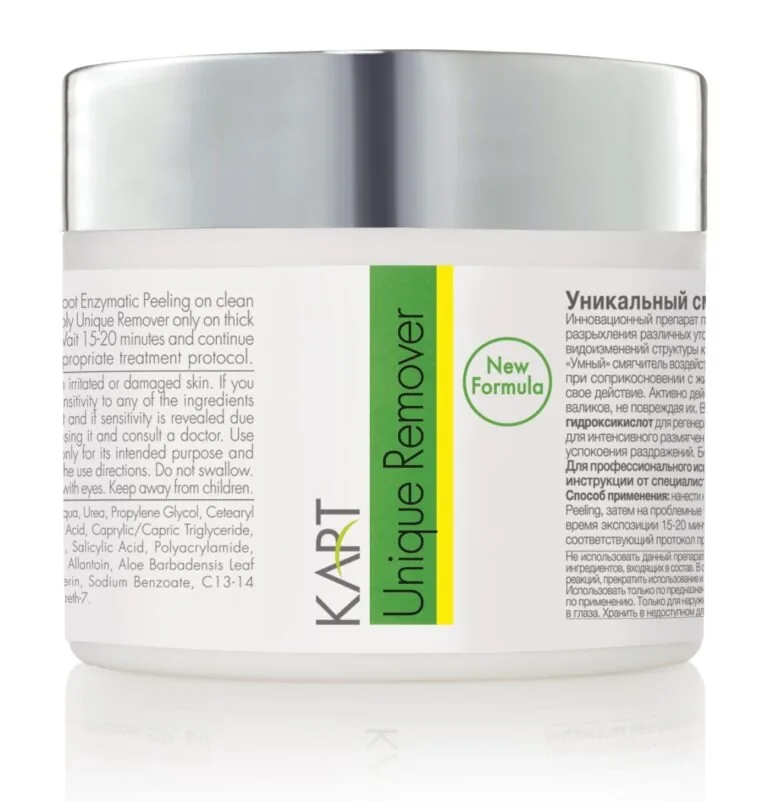
Unique Remover 100 ml – KART 7034
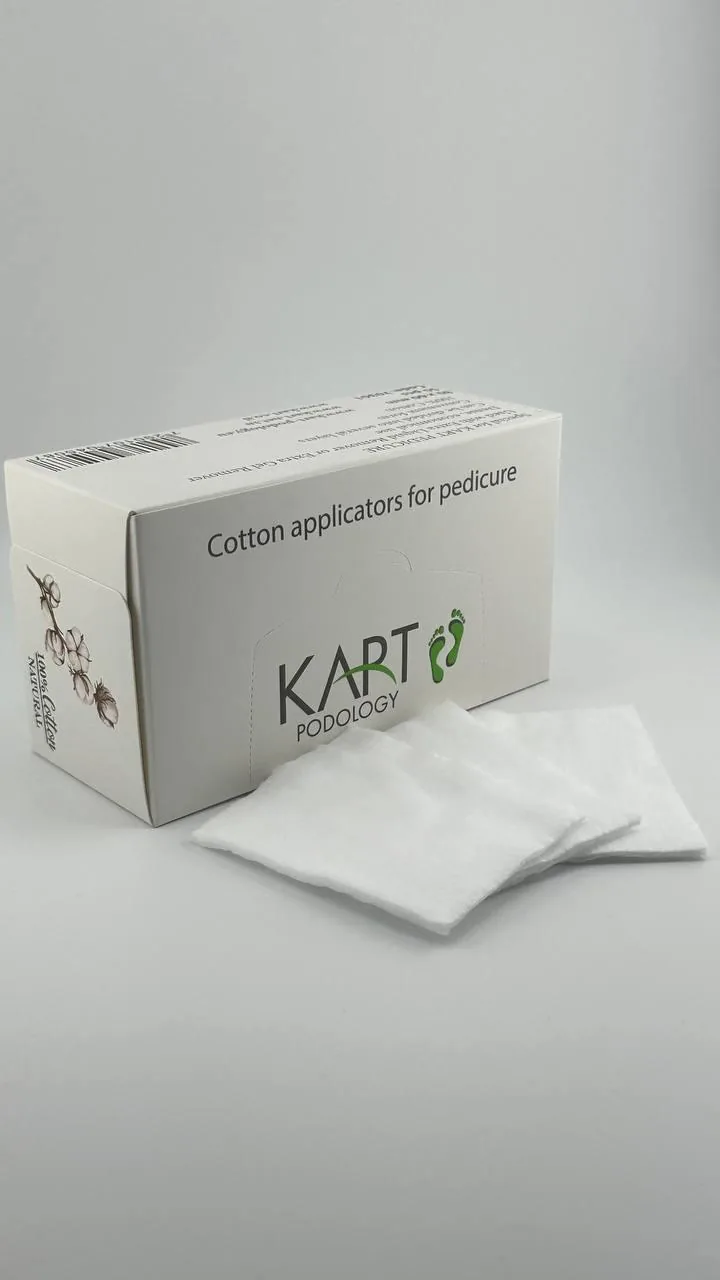
Gloves must be worn. Tear the cotton applicator into several layers and soak it thoroughly with lotion — no dry patches, but no droplets either.
Place the applicator on the callus, ensuring the surface area matches its diameter, then secure it in place. Repeat this step area by area.
Never apply to the arch of the foot, between the toes, the top of the foot, thin skin, broken skin, a weeping blister or vesicles.
Change your gloves before this step to avoid any residual contact with the keratolytic agent.
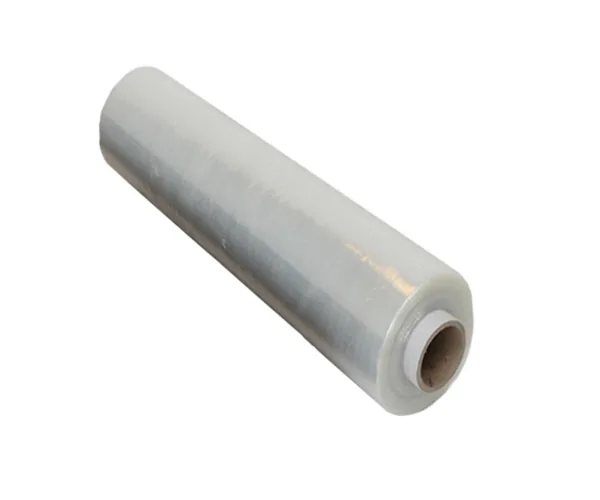
Wrap the feet in cling film and cover with a towel. Application time:
- light callus: 5 to 8 minutes
- moderate callus: 8 to 12 minutes
- thick callus: 12 to 15 minutes
- very dense keratosis: 15 minutes maximum
Never exceed 15 minutes’ application of the keratolytic. The client must not put their foot on the floor or stand up from the chair.
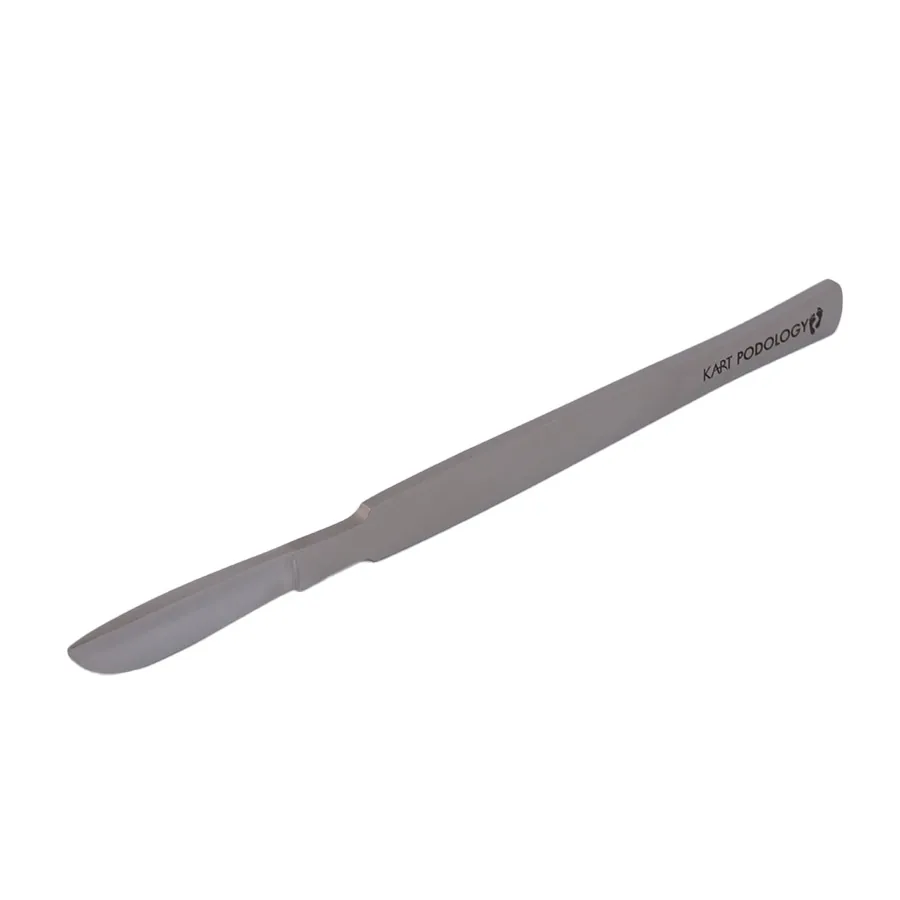
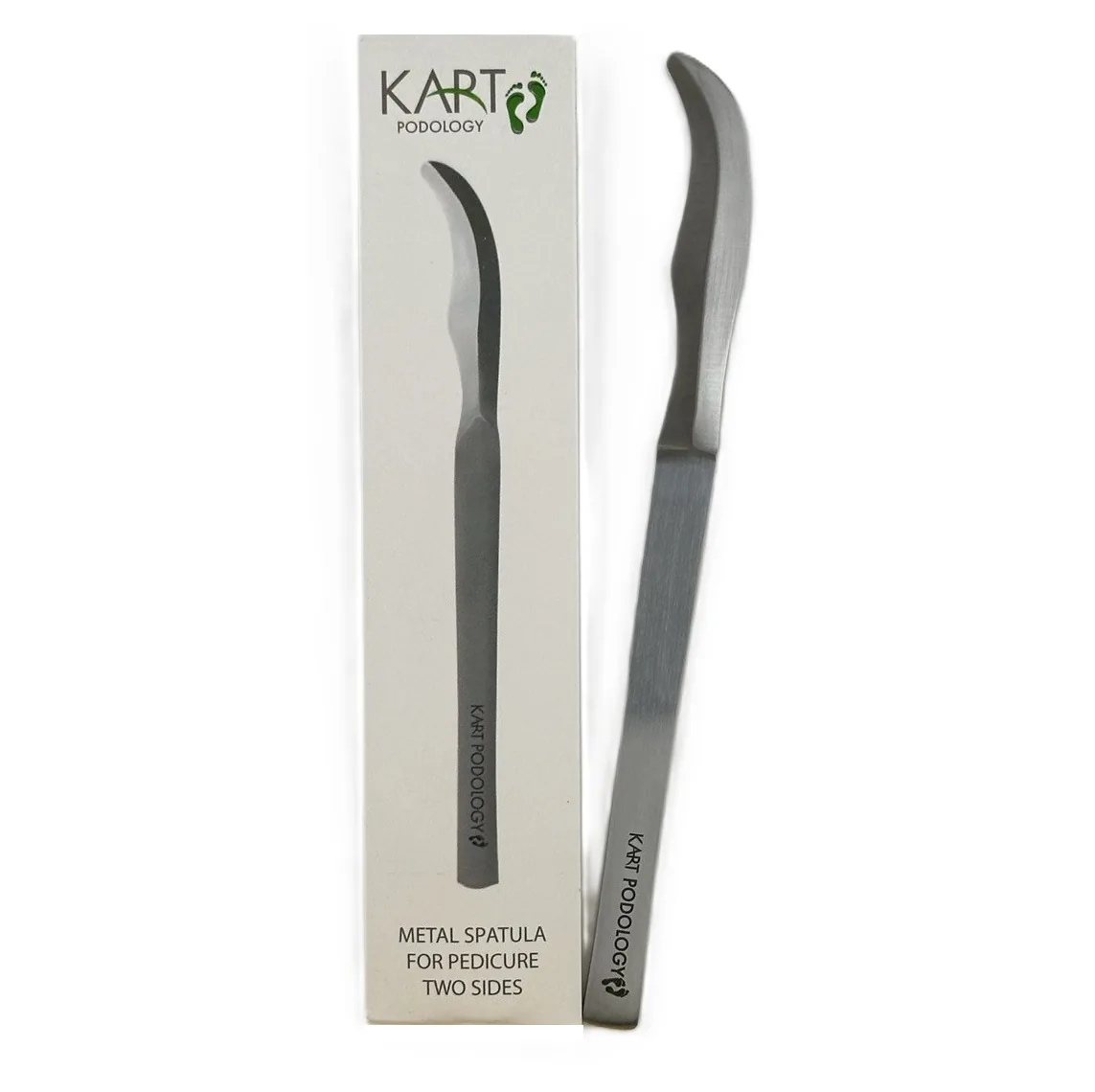
Remove the applicators one by one, not all at once. Work on the softened keratosis with the metal spatula, using the flat side, without trying to dig into it.
The spatula removes the bulk of the keratosis. What remains consists of partially decomposed cells: these are removed in the next stage.
Rinse off any remaining product thoroughly with soap and plenty of water, then dry.
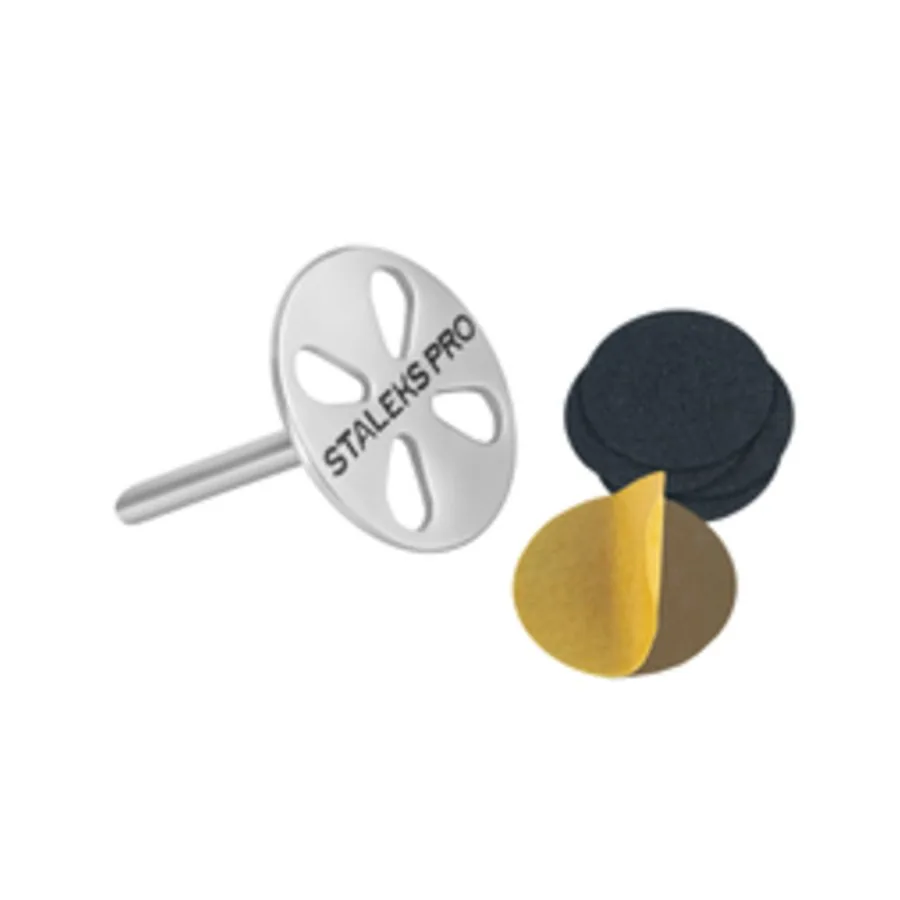
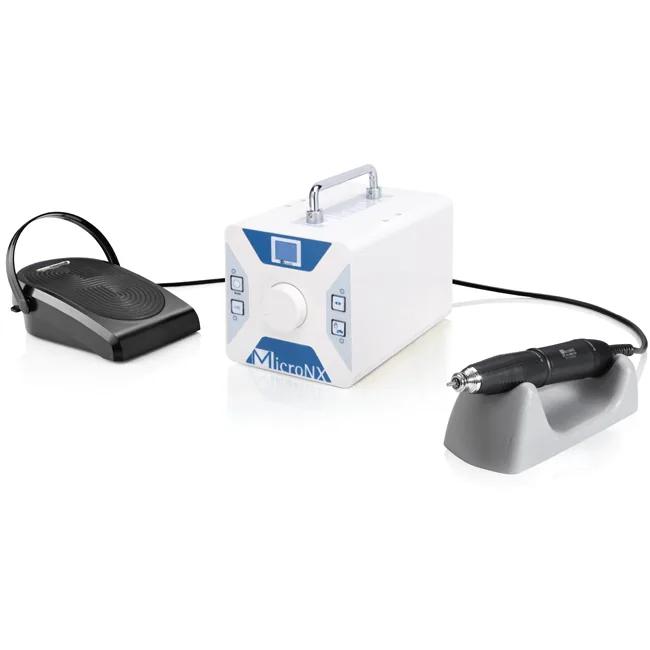
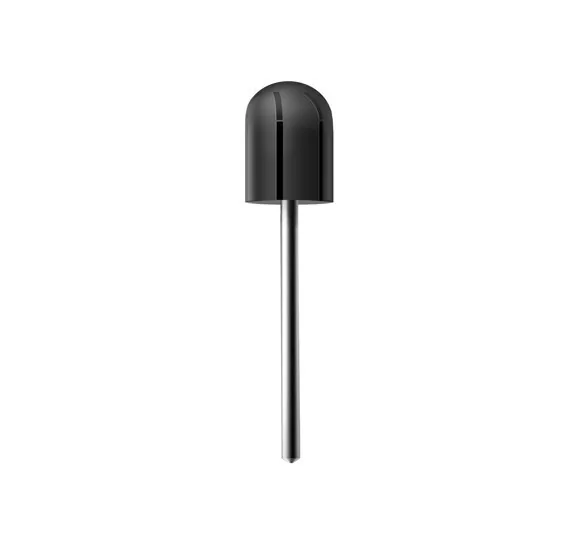
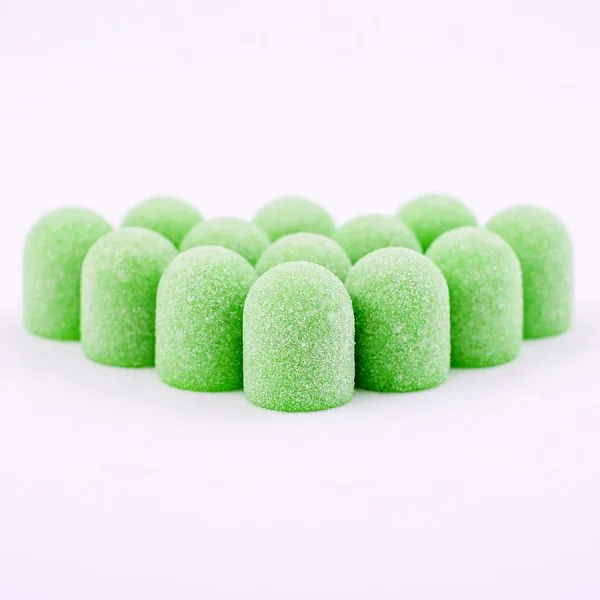
Sand in two stages, up to 15,000 rpm:
- 60 or 80-grit — to remove any remaining softened skin cells
- 150 or 180-grit — for the final smoothing
On clean, dry skin: sanding whilst keratolytic residue remains will damage healthy skin.
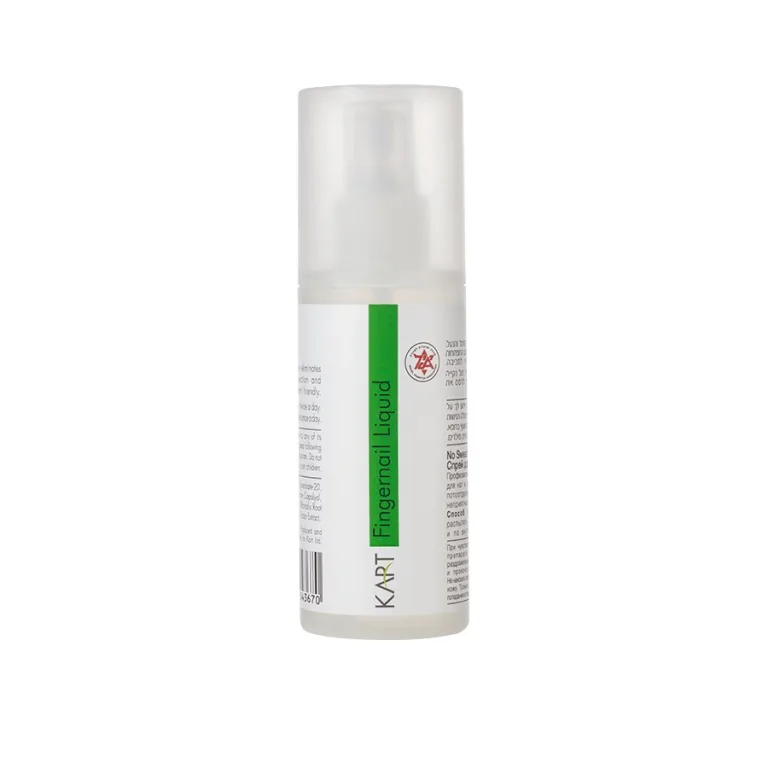
Spray Fingernail Liquid onto dry skin. In cases of severe dehydration, replace it with PodoDegreaser, which lowers the pH even further and helps the subsequent peel to penetrate more effectively.
Then apply 3 to 5 drops of PodoGP to the sole, the top of the foot and the metatarsal heads. Leave on for 2 to 3 minutes. Avoid damaged areas.
Check the contraindications for PodoGP before first use.
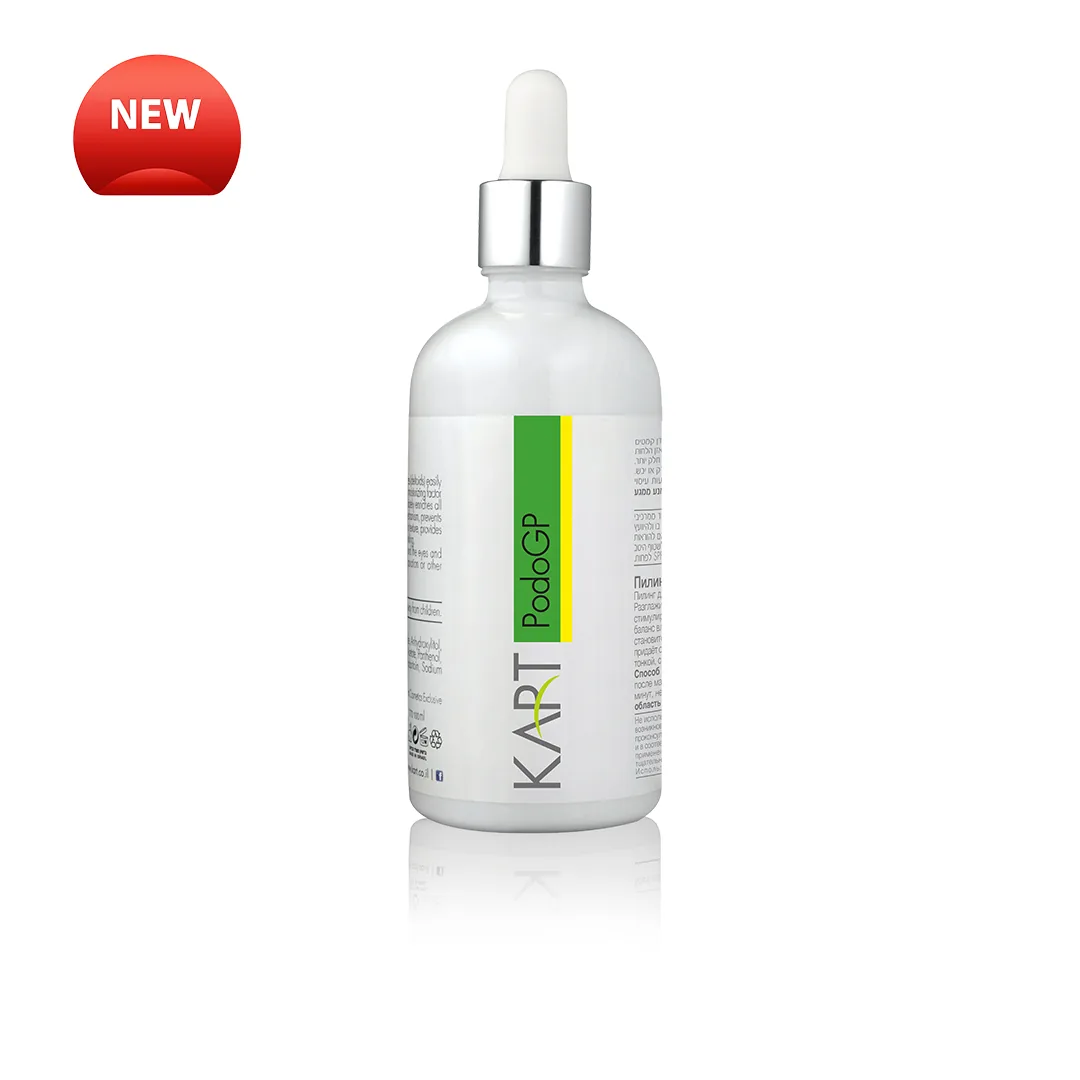
PodoGP 100 ml – KART 7042
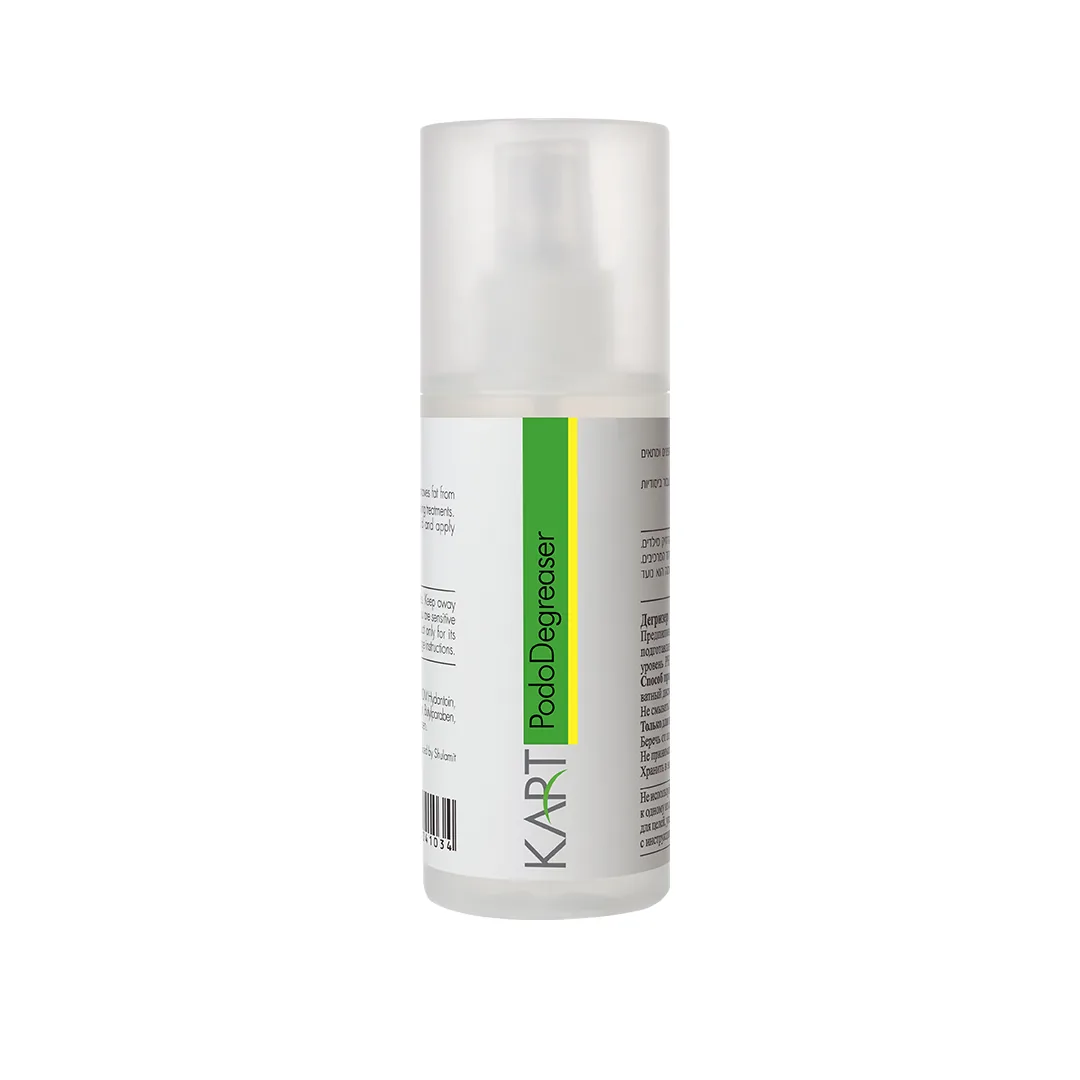
PodoDegreaser 150 ml – KART 7046
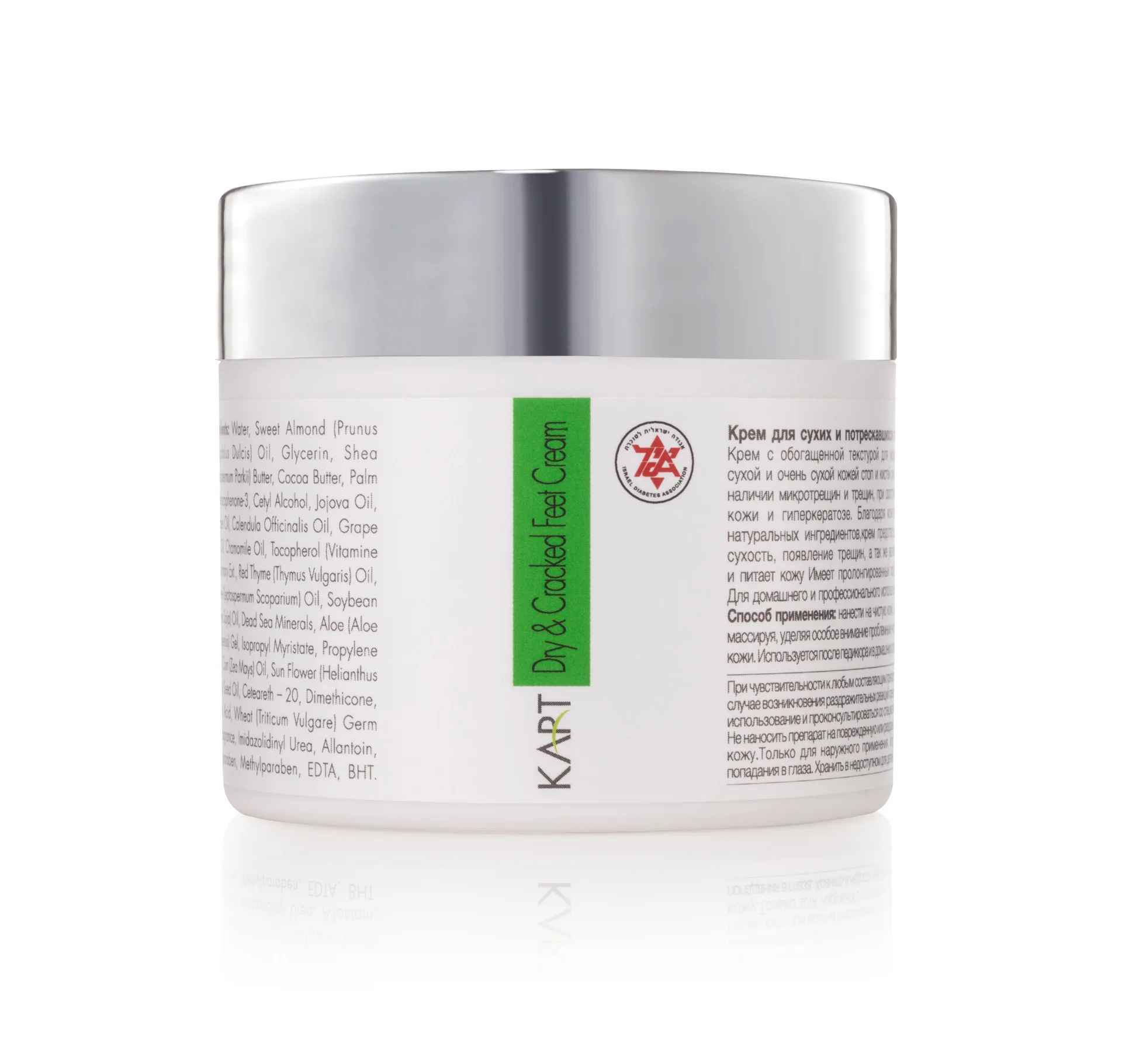
Warm the cream between your hands and massage it in until absorbed.
For severe hyperkeratosis, home care is essential: without daily application of the cream, the callus will have returned before the next appointment. Using an enzyme mask once a week at home significantly extends the interval between treatment sessions.