Protocol Categories
Fruit acid peel — for oily and blemish-prone skin
Exfoliation is the step that follows skin cleansing: cleansing unclogs the pores, whilst exfoliation addresses what causes them to become blocked again. It is suitable for oily and combination skin, enlarged pores, uneven skin texture and marks left by previous blemishes.
A choice of three single-acid peels depending on skin type, one per session. They should not be layered: the depth of treatment is adjusted by the application time and the number of sessions, never by layering acids.
For professional use only. Do not use on broken skin, active cold sores, active rosacea, or whilst undergoing treatment with retinoids or isotretinoin. Sun protection is essential after the session and throughout the course of treatment.
Apply the foam to the face, neck and décolletage using gentle movements, rinse thoroughly and pat dry.
A soap-free, fragrance-free and SLS-free foam: it removes oil and make-up without stripping the skin, which is important before using an acid.
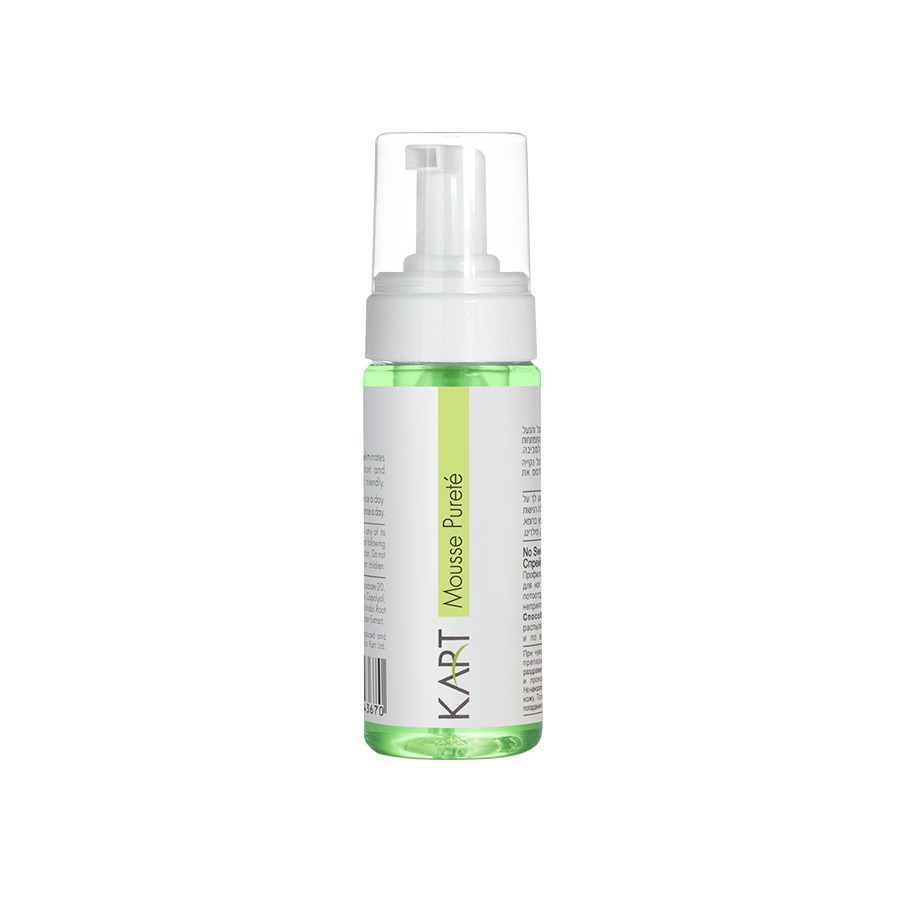
Mousse Purete KART 7500
Soak a cotton pad with the lotion and wipe it over the entire area, avoiding the eye area.
The pH-balancing lotion restores the skin’s pH to a level where acids work predictably. On skin with an unprepared pH level, the same peel produces different results from one client to another.
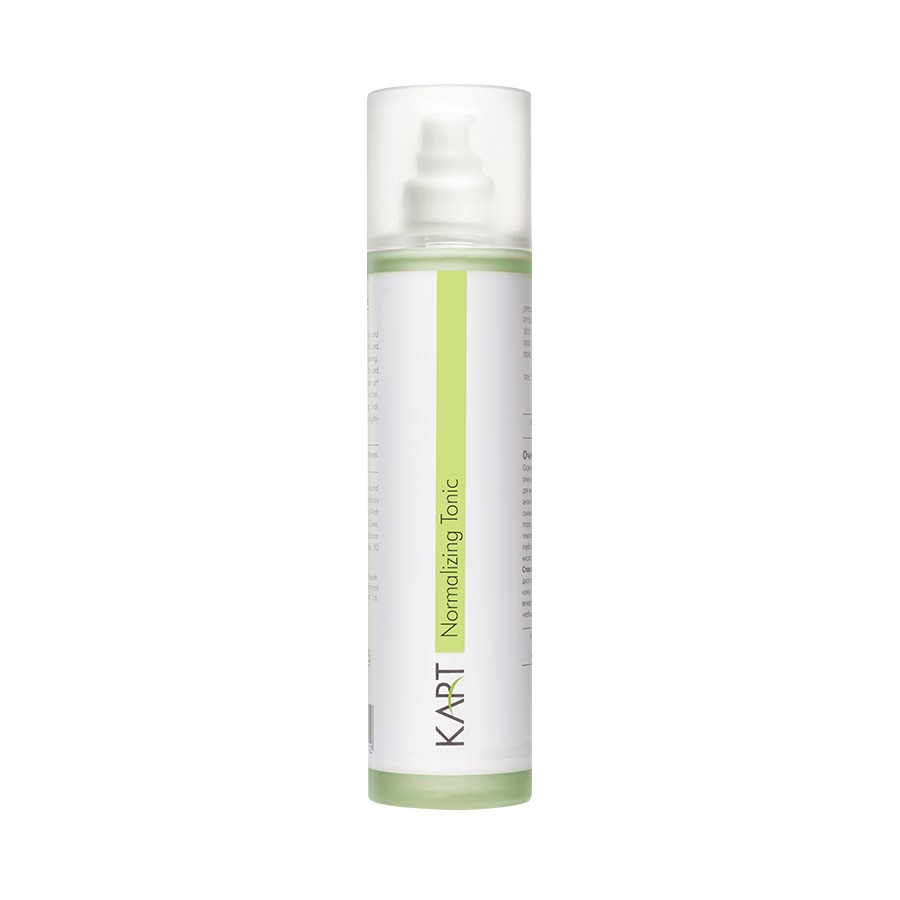
Normalizing Tonic KART 7501
Soak a cotton pad with Degreaser and wipe the entire area thoroughly, paying particular attention to the sides of the nose, the chin and the forehead. Do not rinse.
The product lowers the pH and dissolves residual sebum. When applied to oily skin, an exfoliator does not penetrate evenly: this results in areas that are over-treated and others where nothing has happened.
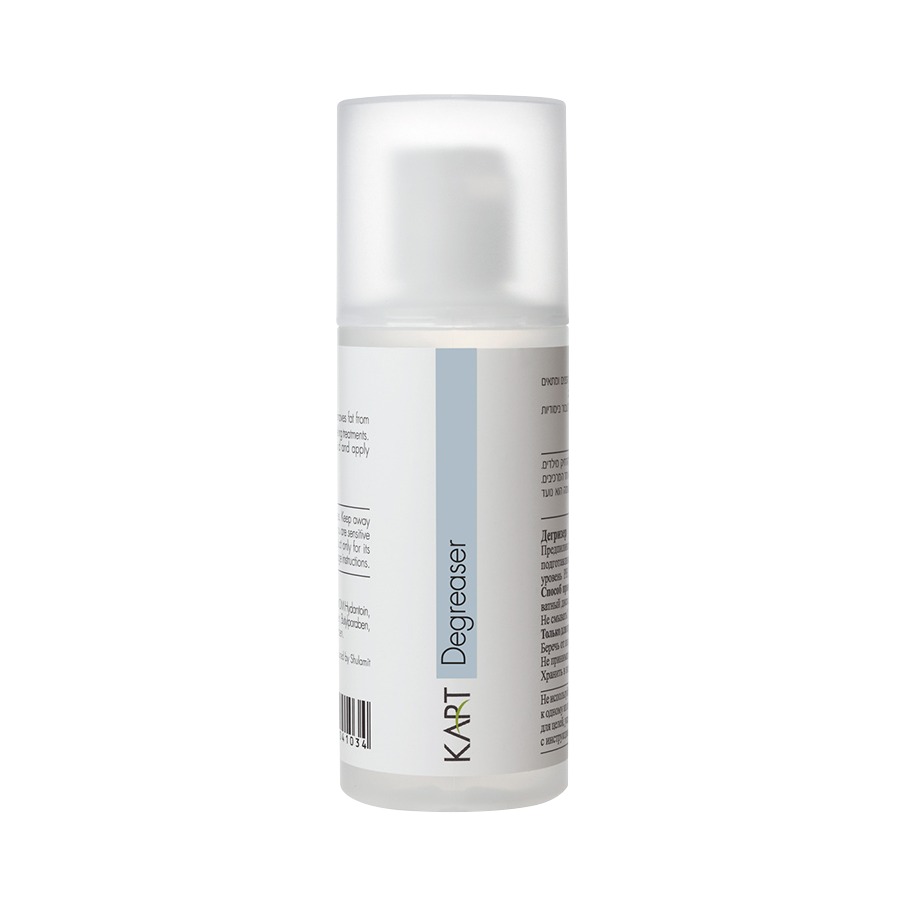
Degreaser KART 8003
Apply 20 drops per application using the applicator, working from the forehead towards the cheeks, nose, chin, neck and décolletage. Avoid the eyes and lips. Leave on for 5 to 10 minutes.
MandeliPeel — 10% mandelic acid. The safest option: large molecule, slow penetration, suitable for all seasons. This is the one to use on sensitive, reactive or redness-prone skin, and for a first treatment when you are not yet familiar with the client.
GlycoliPeel — glycolic acid. Small molecule, rapid and deep penetration. For thick skin, an uneven texture and post-inflammatory marks. The most active of the three.
Lactipeel — lactic acid. Exfoliates whilst moisturising. For oily yet dehydrated skin – skin that is shiny yet feels tight at the same time.
Never mix or layer two acids. Monitor the reaction and do not leave the client unattended whilst the treatment is being applied.
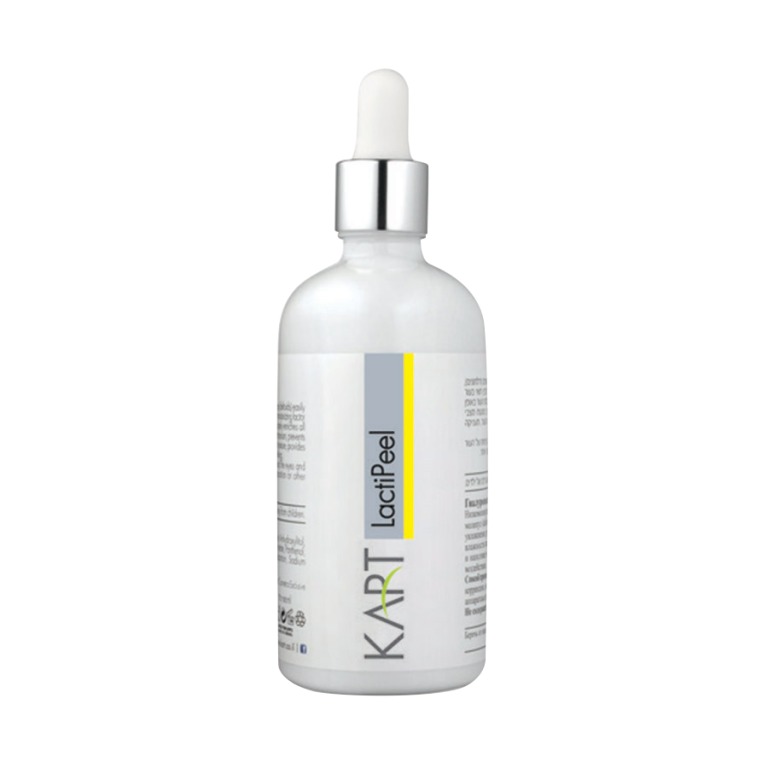
Lactipeel KART 8026
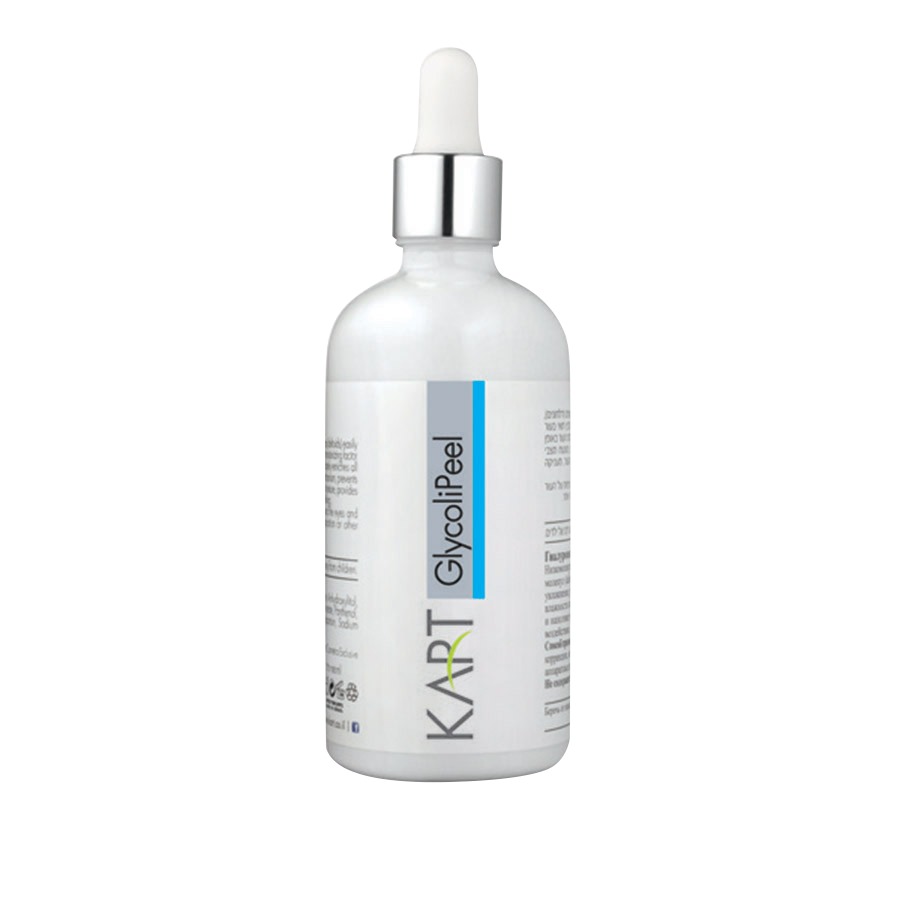
GlicoliPeel KART 8027
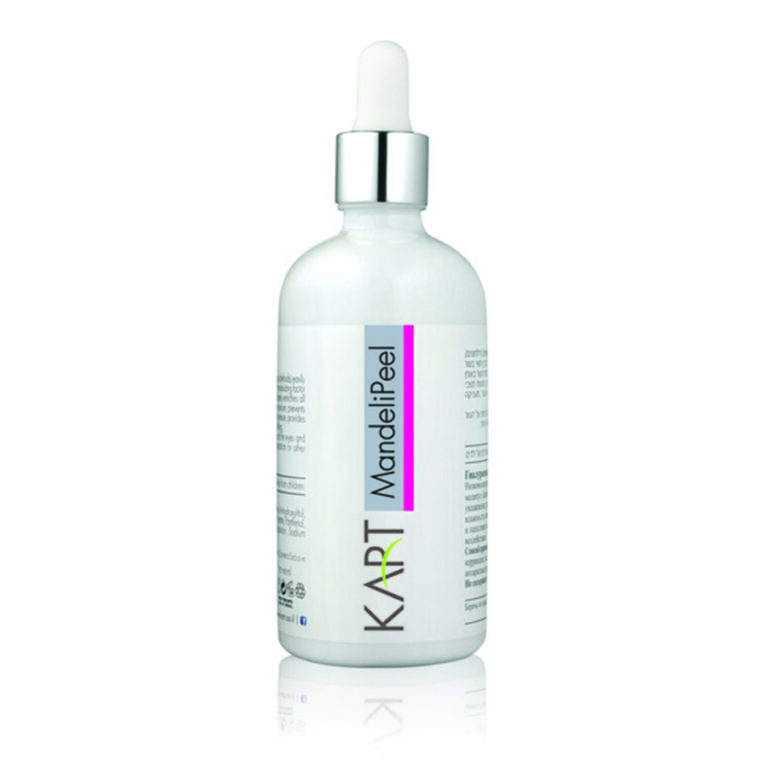
Mandelic Peel 10% KART 8028
Soak a pad with SOS neutraliser and wipe the entire treated area, then rinse with cold water.
Also use during application if the client reports a severe burning sensation: do not wait for the timer to run out. Witch hazel, chamomile, alpha-bisabolol and allantoin — the product stops the reaction and soothes redness.
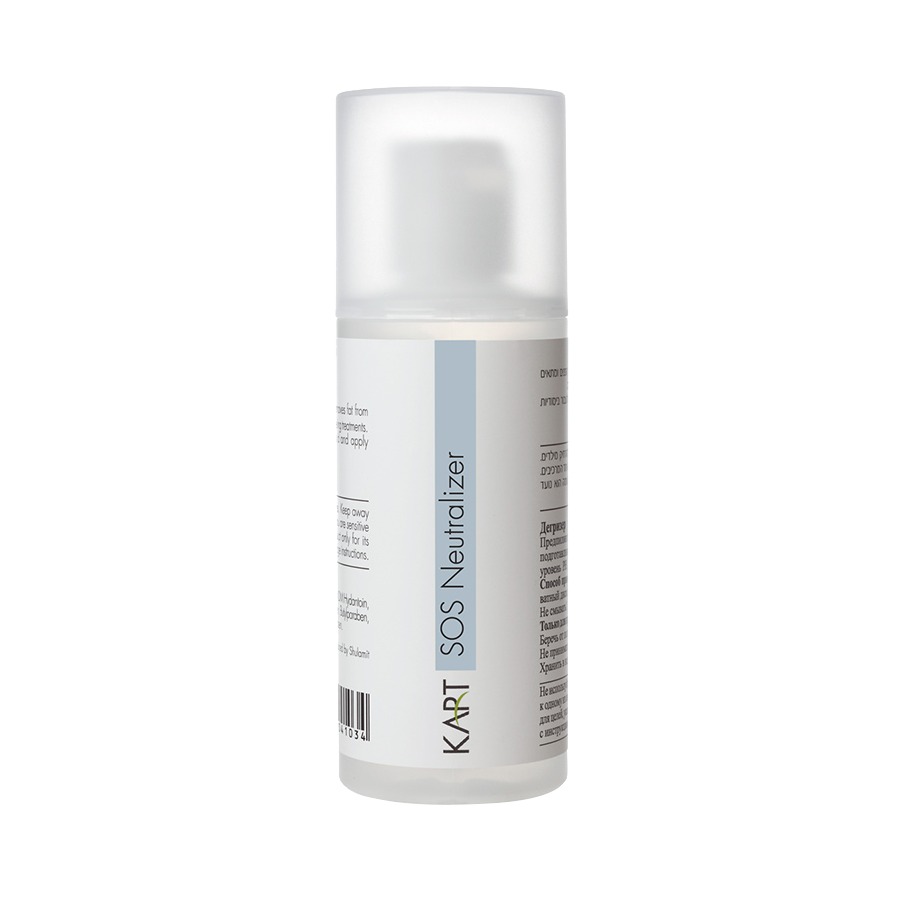
SOS Neutraliser KART 8004
Leave the papaya peel on for 5 to 10 minutes, then rinse off with cold water.
After the acid treatment, the enzyme gently completes the process: it stimulates microcirculation and cell renewal without causing any further chemical irritation. This step is optional if the skin has become very red following the single-ingredient peel.
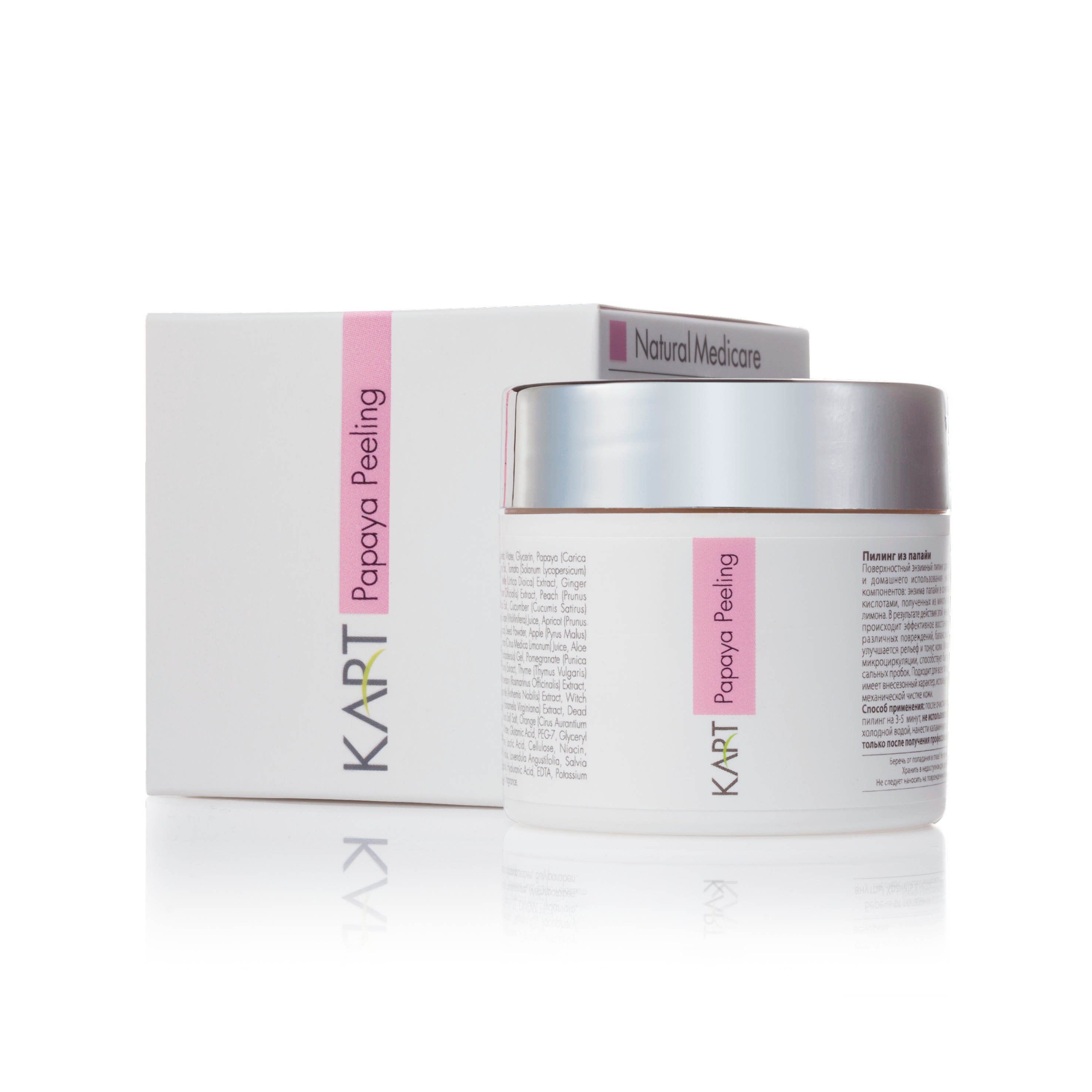
Papaya peeling KART 7102
Papaya peeling KART 7101
Apply to clean skin for 10 to 15 minutes.
Calamine, aloe vera and witch hazel: this mask reduces post-peel redness. It determines the condition of the client’s skin when she leaves the salon.
For enhanced results, do not rinse off the calamine: apply the moistened gauze and then the alginate mask on top, leave for 15 to 20 minutes, and remove in one swift motion from the chin towards the forehead. The alginate creates an occlusive barrier that allows the ingredients beneath to penetrate the skin — on its own, it merely provides the tightening effect caused by its removal.
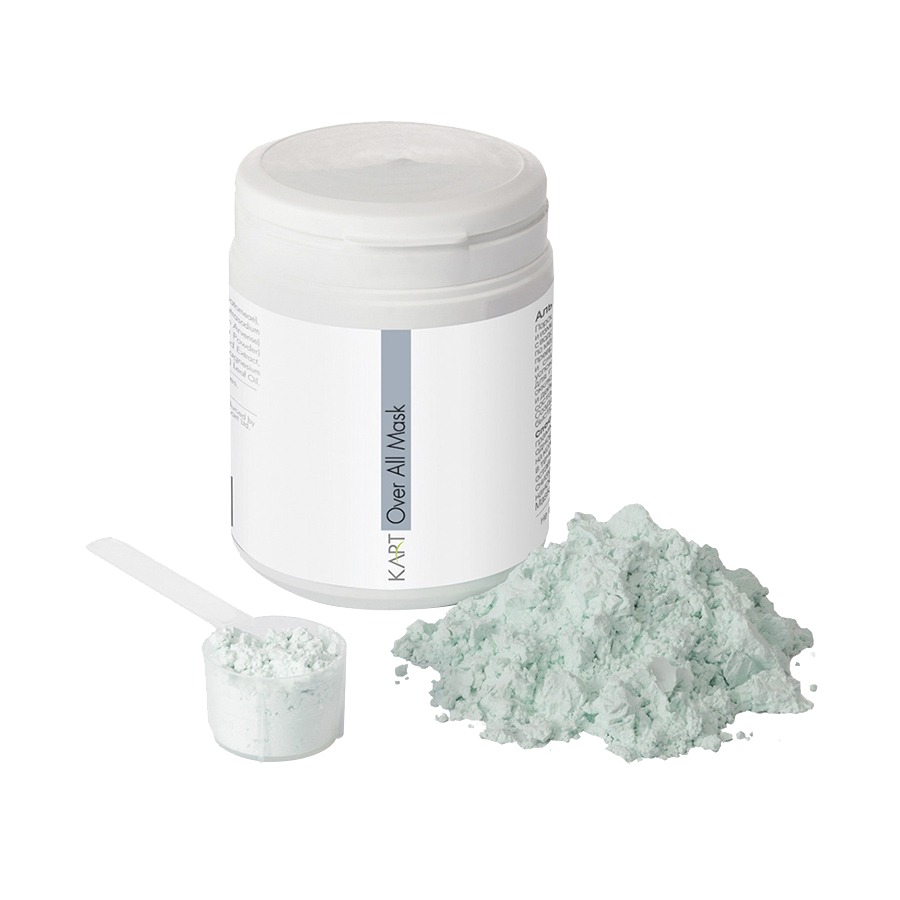
Over all mask KART 8010
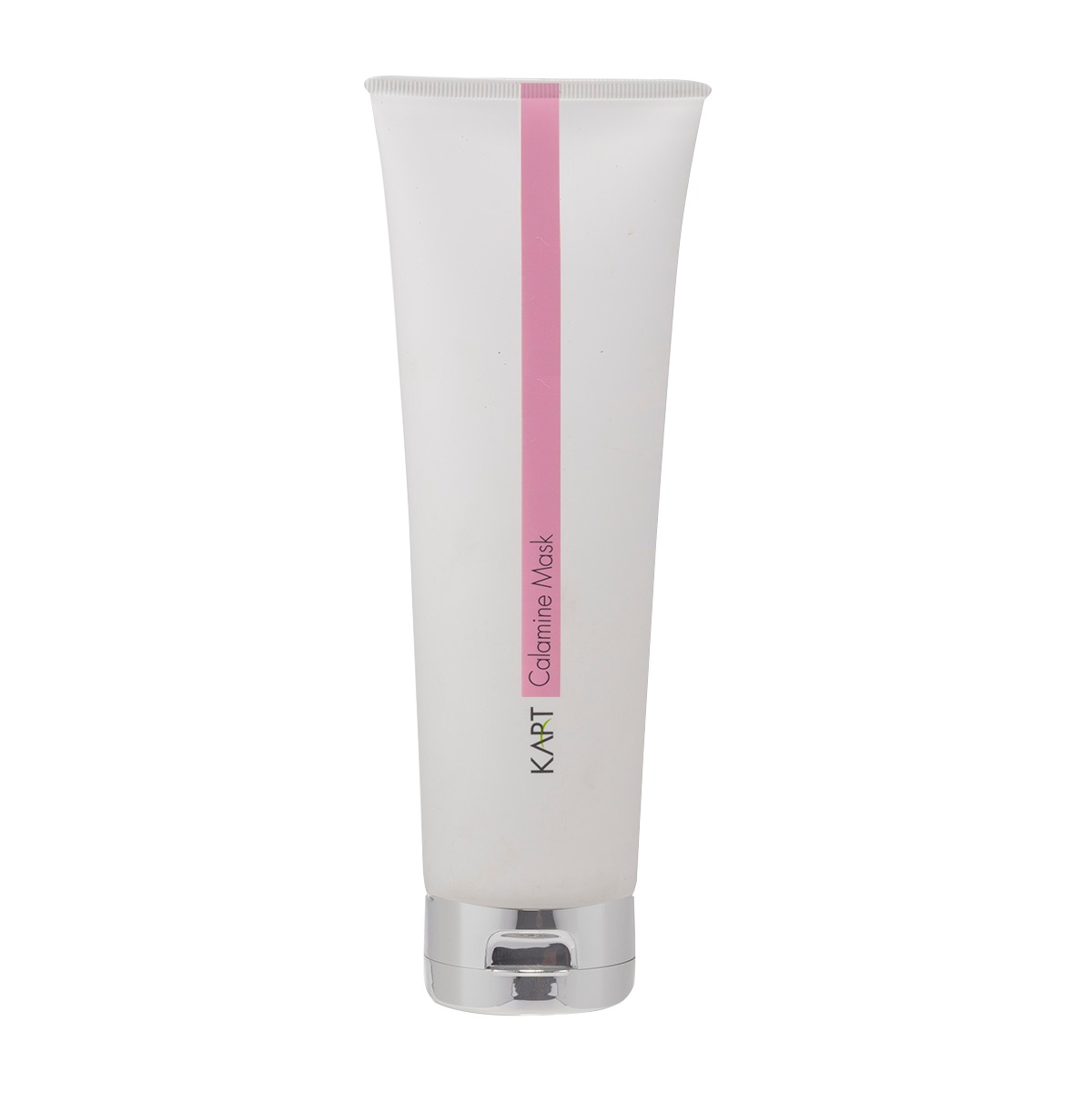
Calamine Mask KART 7116
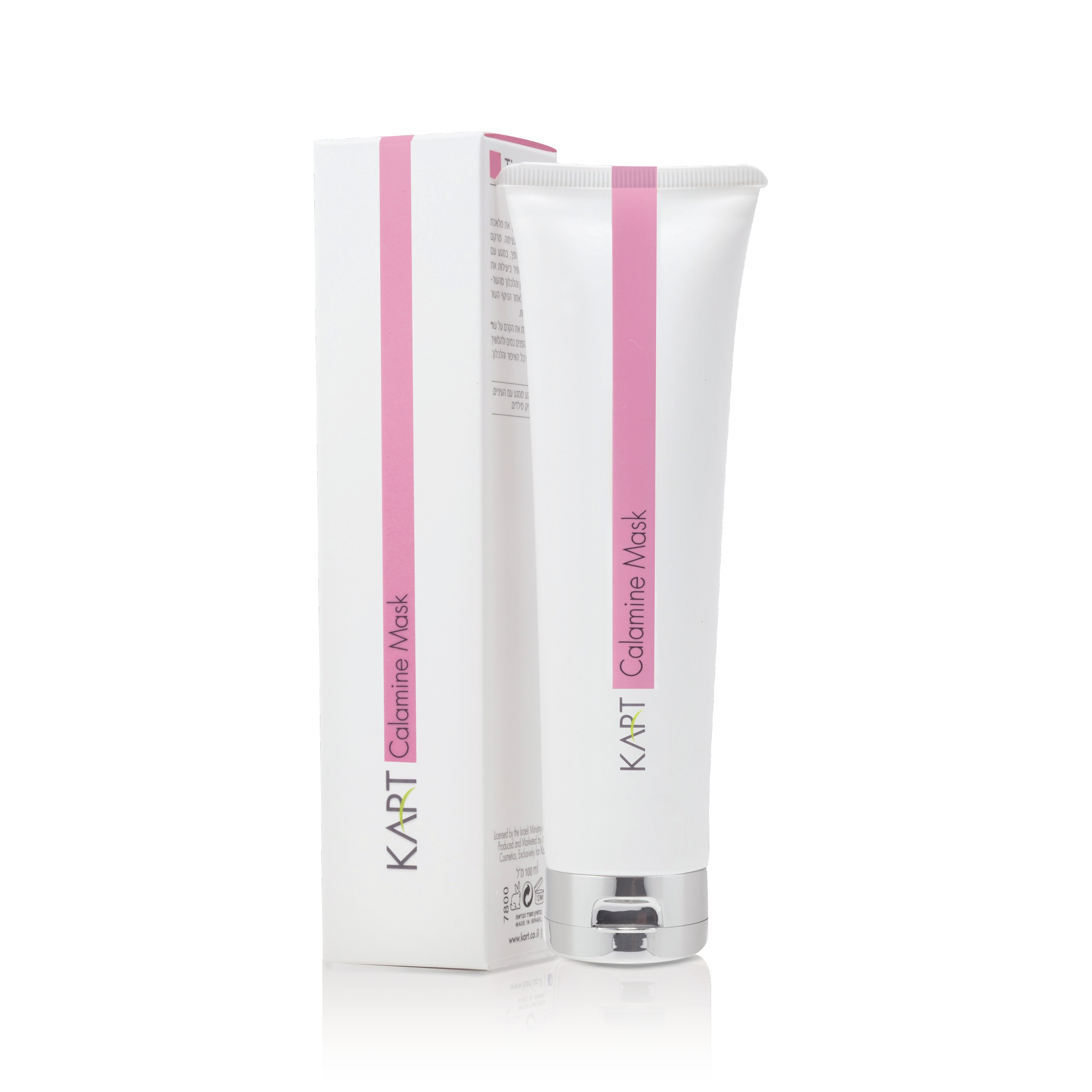
Calamine Mask KART 7124
Gauze mask KART 8019
In a glass container, mix 2 to 10 drops of Problematic Skin Cocktail with 3D hyaluronic acid — 20 drops in total. Apply and treat using a device: electroporation, iontophoresis, phonophoresis or microcurrents.
Add a little Meso US Gel to prevent the treatment from being carried out ‘dry’ and to make the cocktail last longer. Proceed area by area, replenishing the gel each time.
Without a device, the cocktail can be applied using a manual massage — the effect is less pronounced but still noticeable.
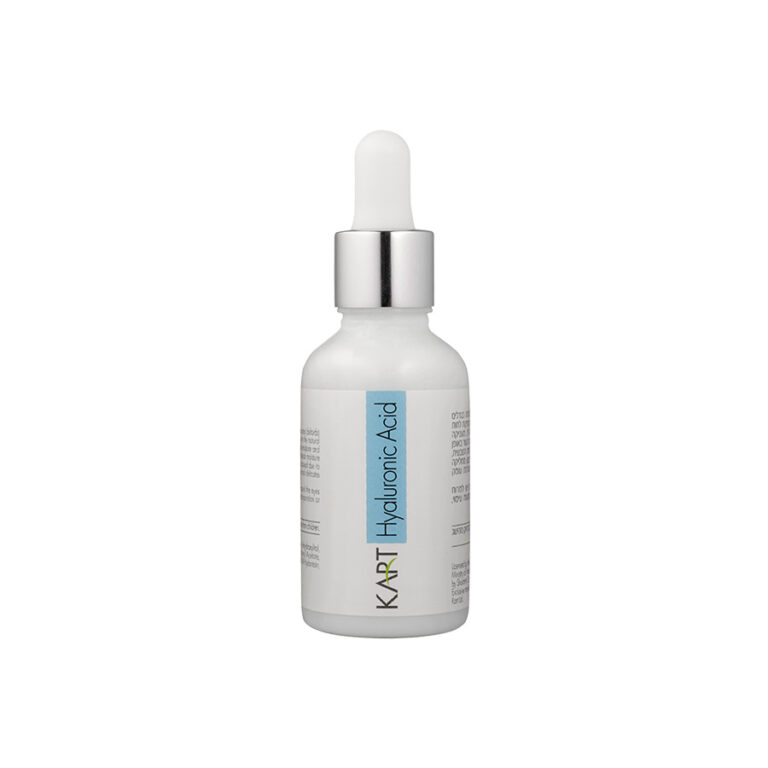
Hyaluronic Acid 3D KART 7601
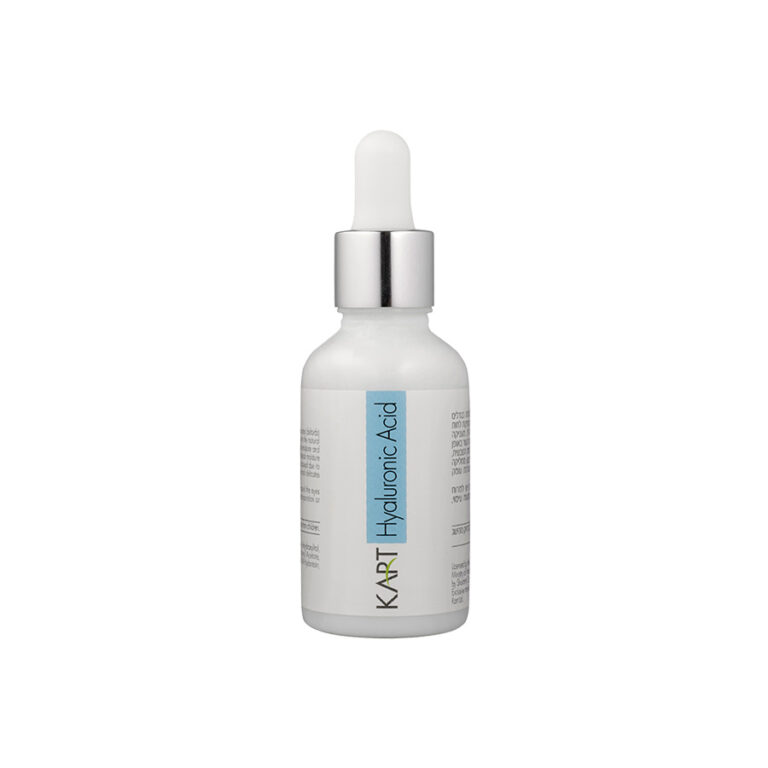
Hyaluronic Acid Serum 3D KART 7600
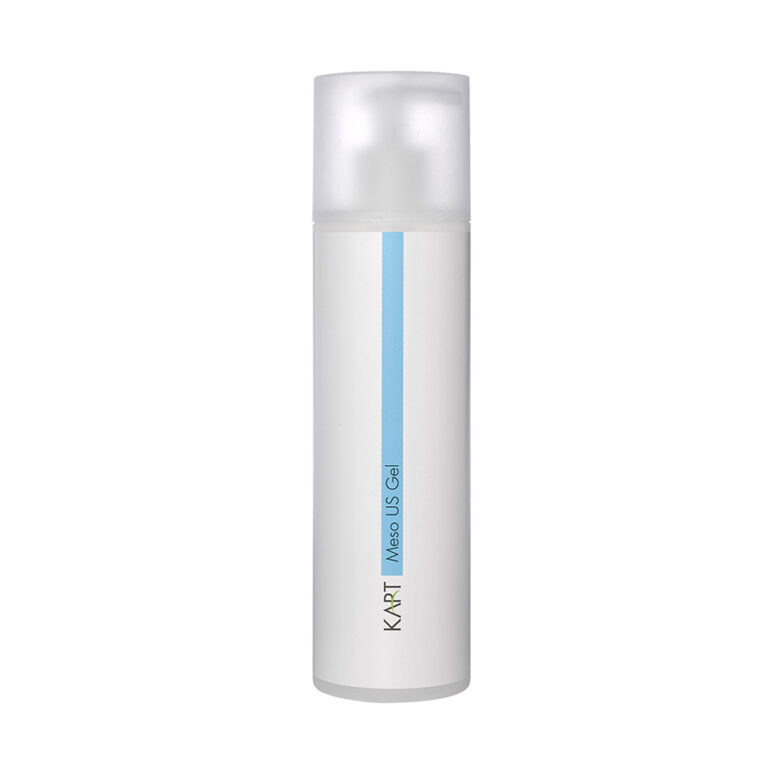
Meso US gel 7615
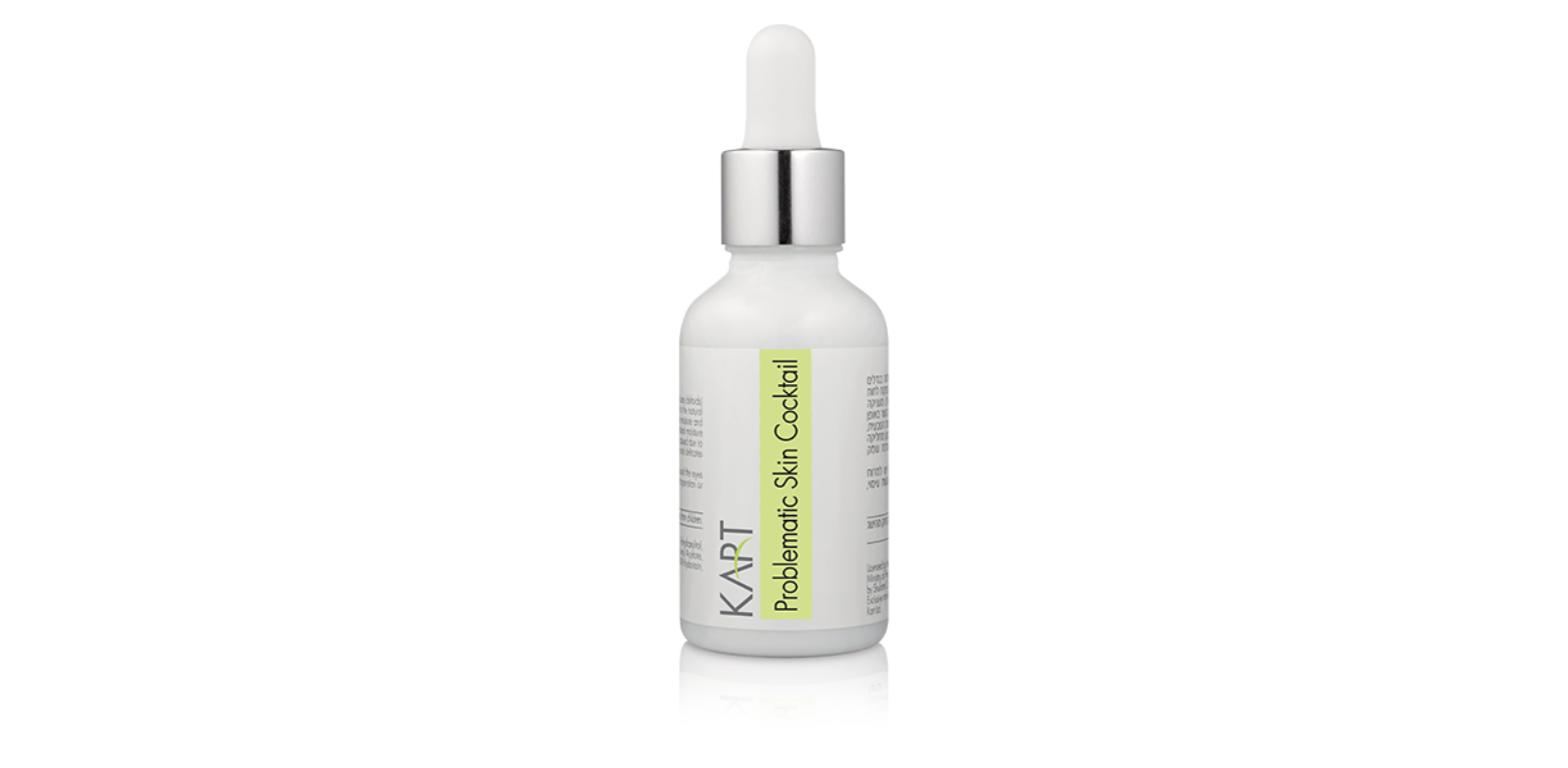
Problematic Skin Cocktail KART 7506
First, apply the balancing elixir using light strokes until fully absorbed, then apply the mattifying emulsion on top.
The eye area should be treated separately: apply Eye Tech serum or Meso Eye Lift cream by gently patting it in. Never apply the mattifying emulsion to this area.
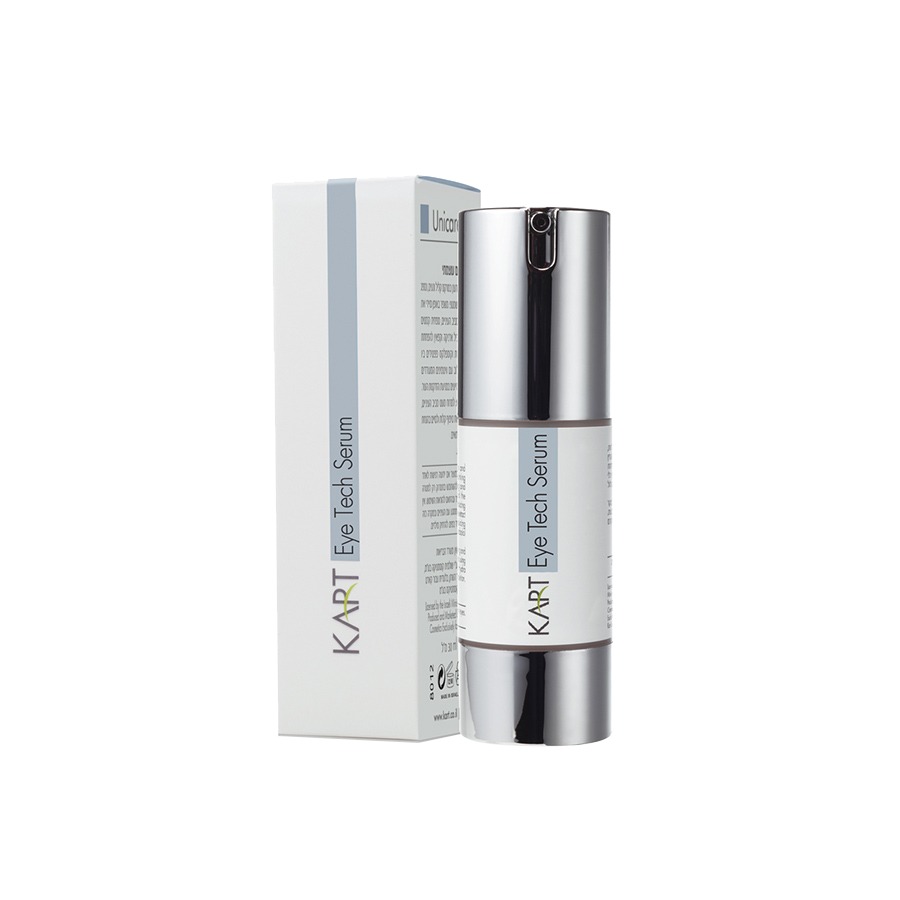
Eye Tech Serum KART 8012
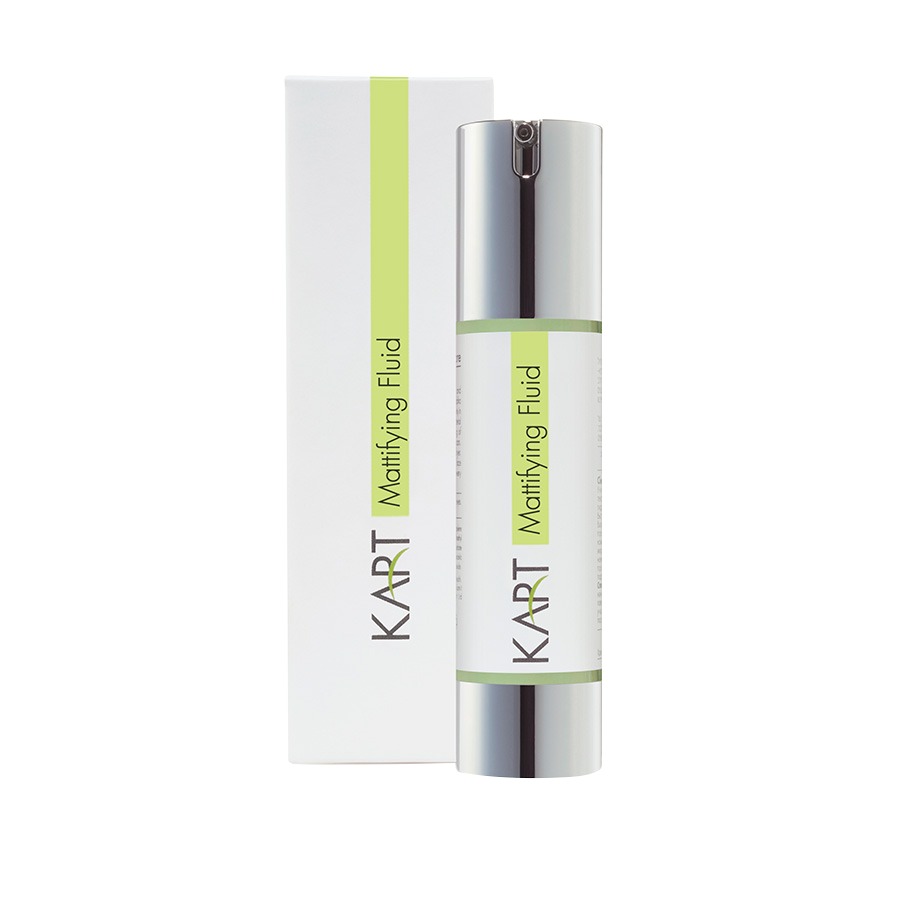
Mattifying fluid KART 7503
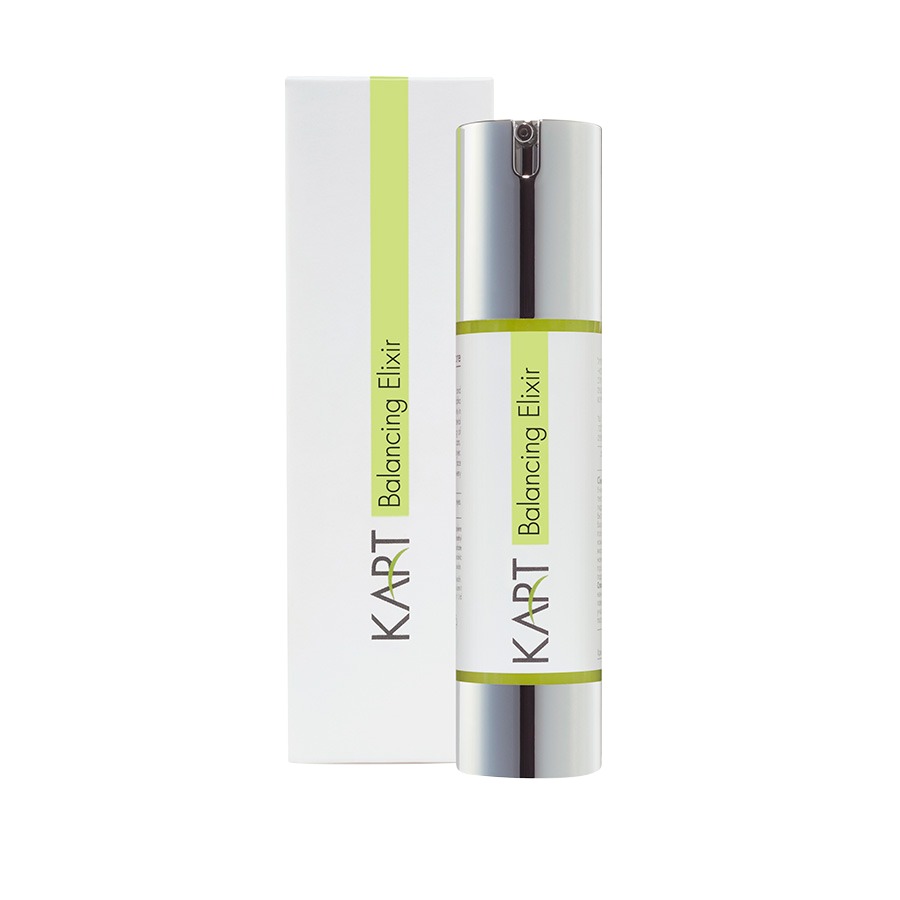
Balancing elixir KART
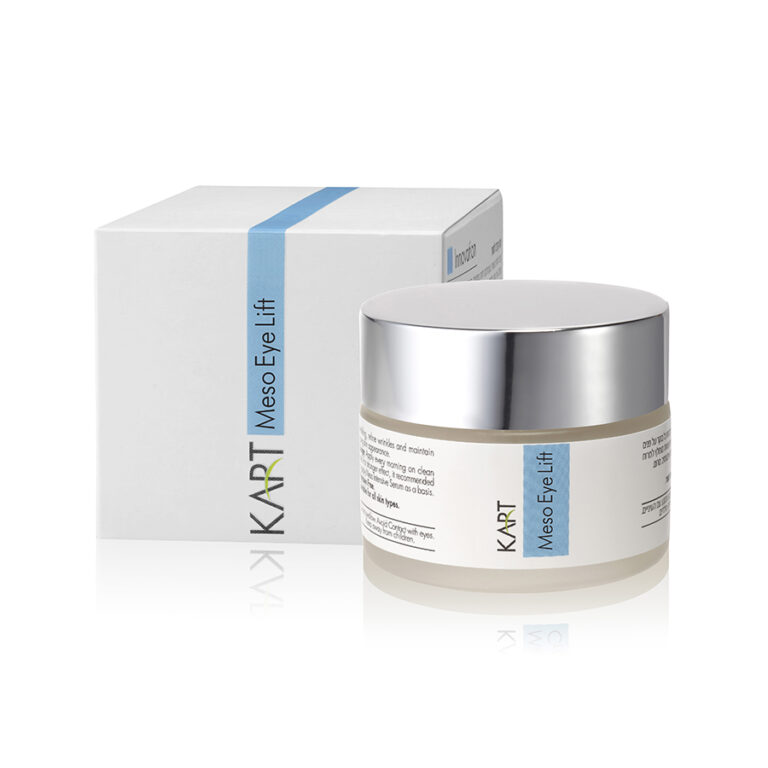
Lifting Eye Contour Cream KART 7609
The very last step of the treatment, without exception.
After a chemical peel, the skin remains photosensitised for several days. Without protection, the most likely outcome is not an improvement in skin texture but the appearance of dark spots — and a post-peel dark spot takes months to fade.
SPF50 Moisturising Lotion (6409) — untinted, for sensitive skin.
BB Cream Lite SPF50 (6410) — light coverage, conceals post-peel redness.
Explain to the client: daily sun protection must be maintained throughout the treatment and for the following month, even on overcast days.
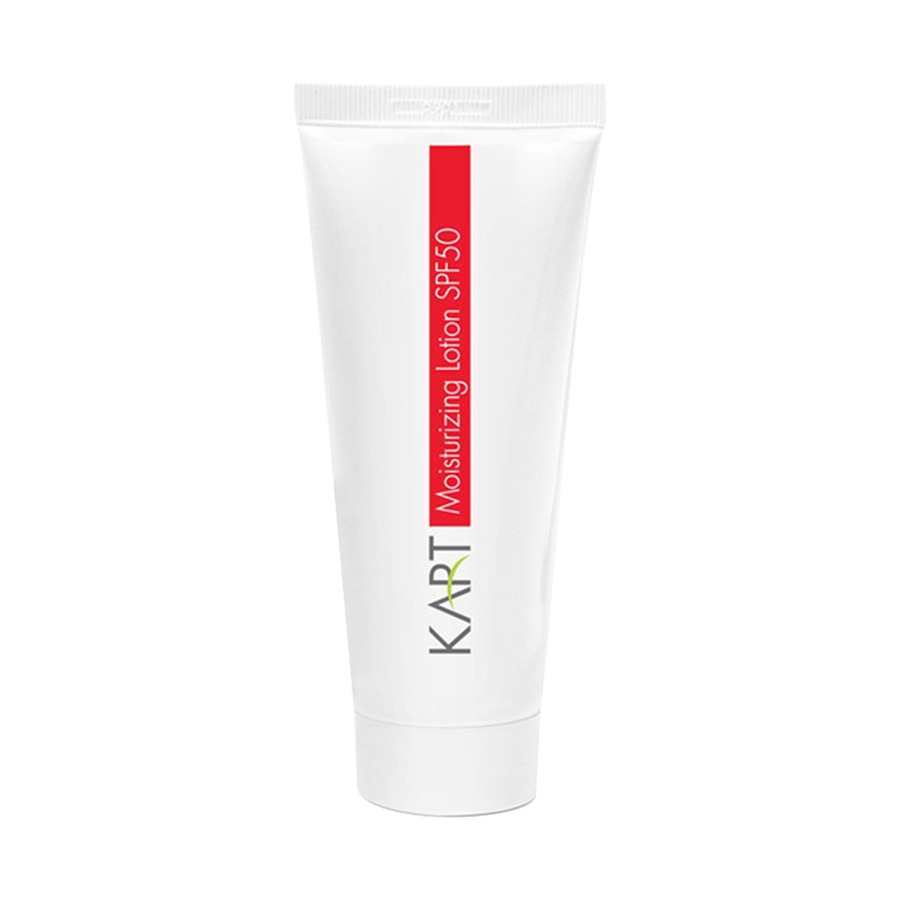
Moisturising Lotion Safe&Sun SPF50 KART 6409
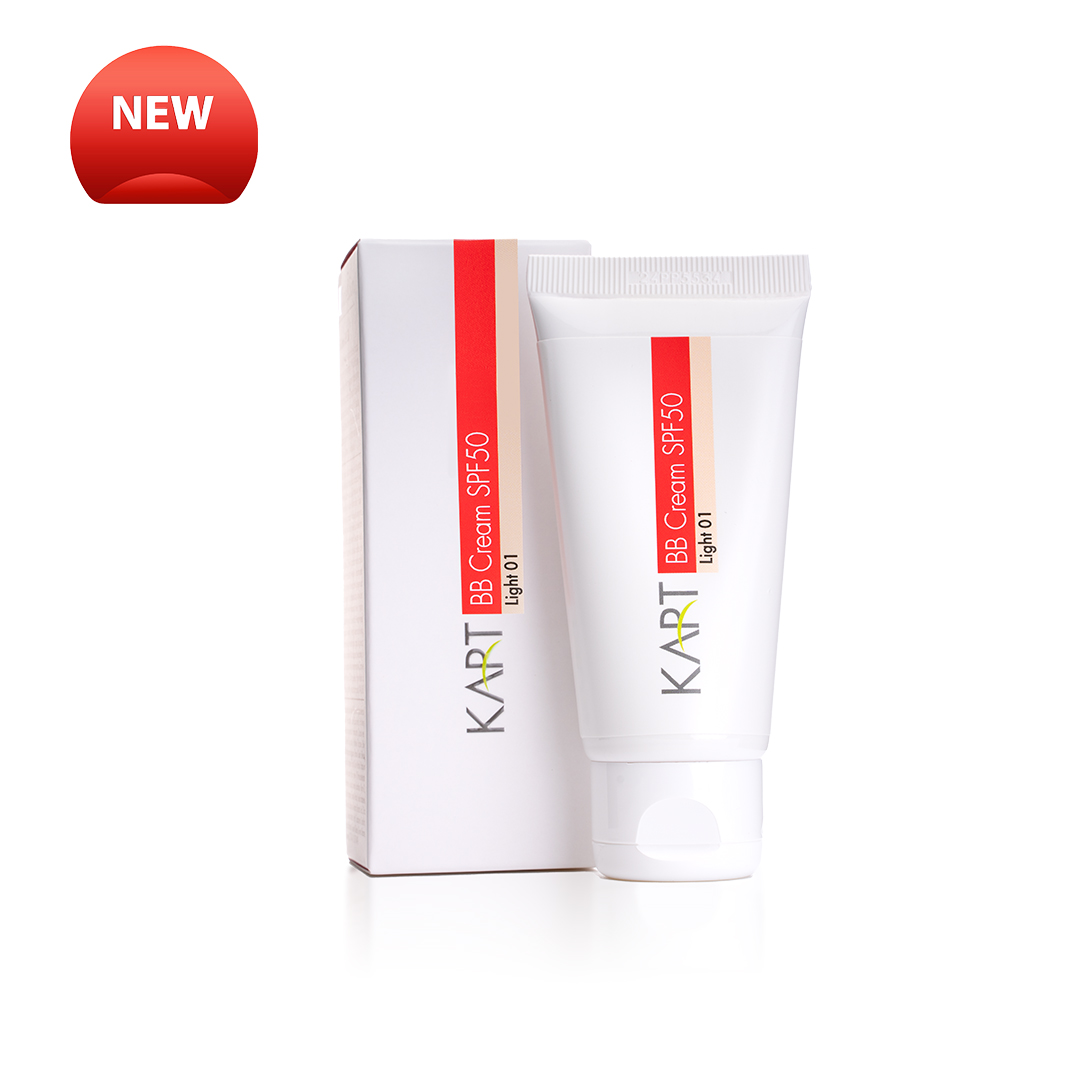
BB Cream Lite SPF50 KART 6410
Gauze mask KART 8019